Category: Nutrient and cllinary

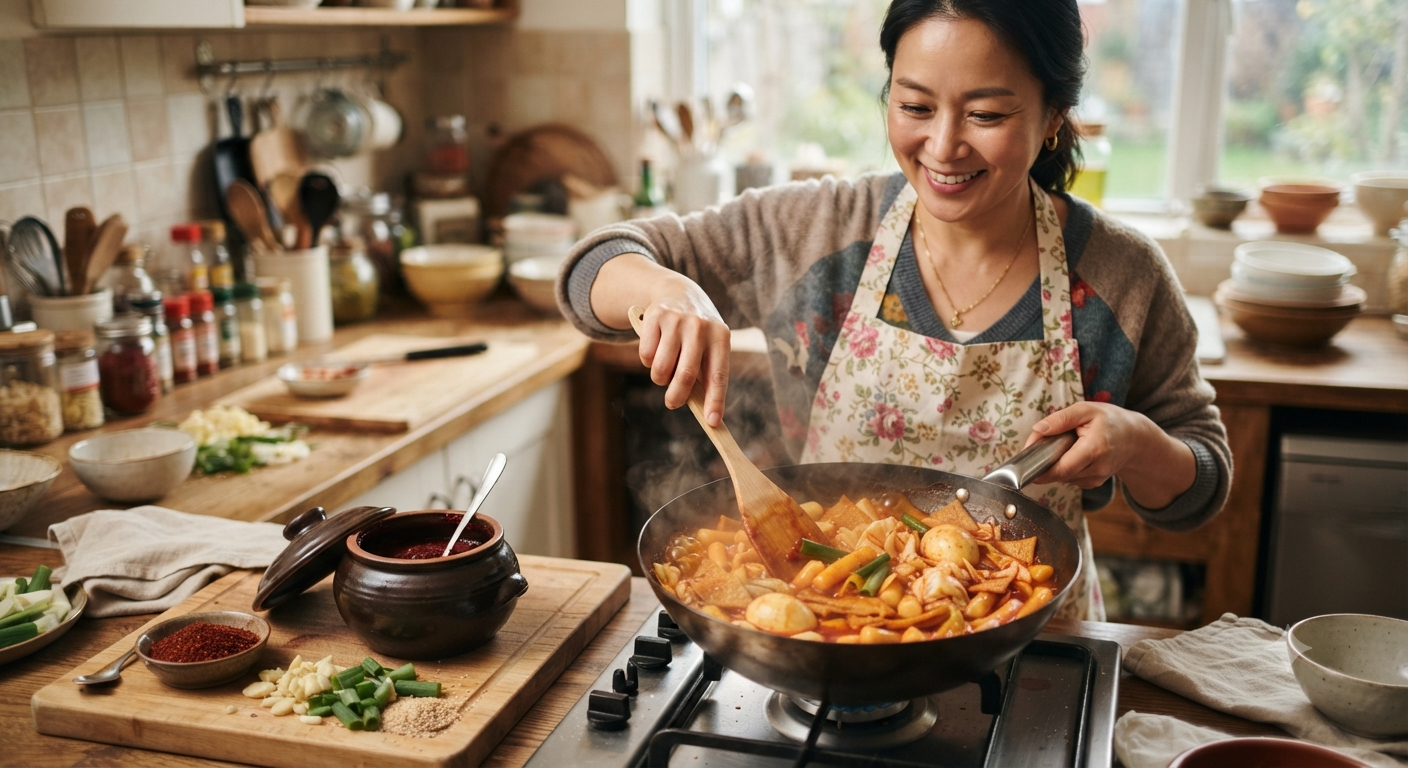
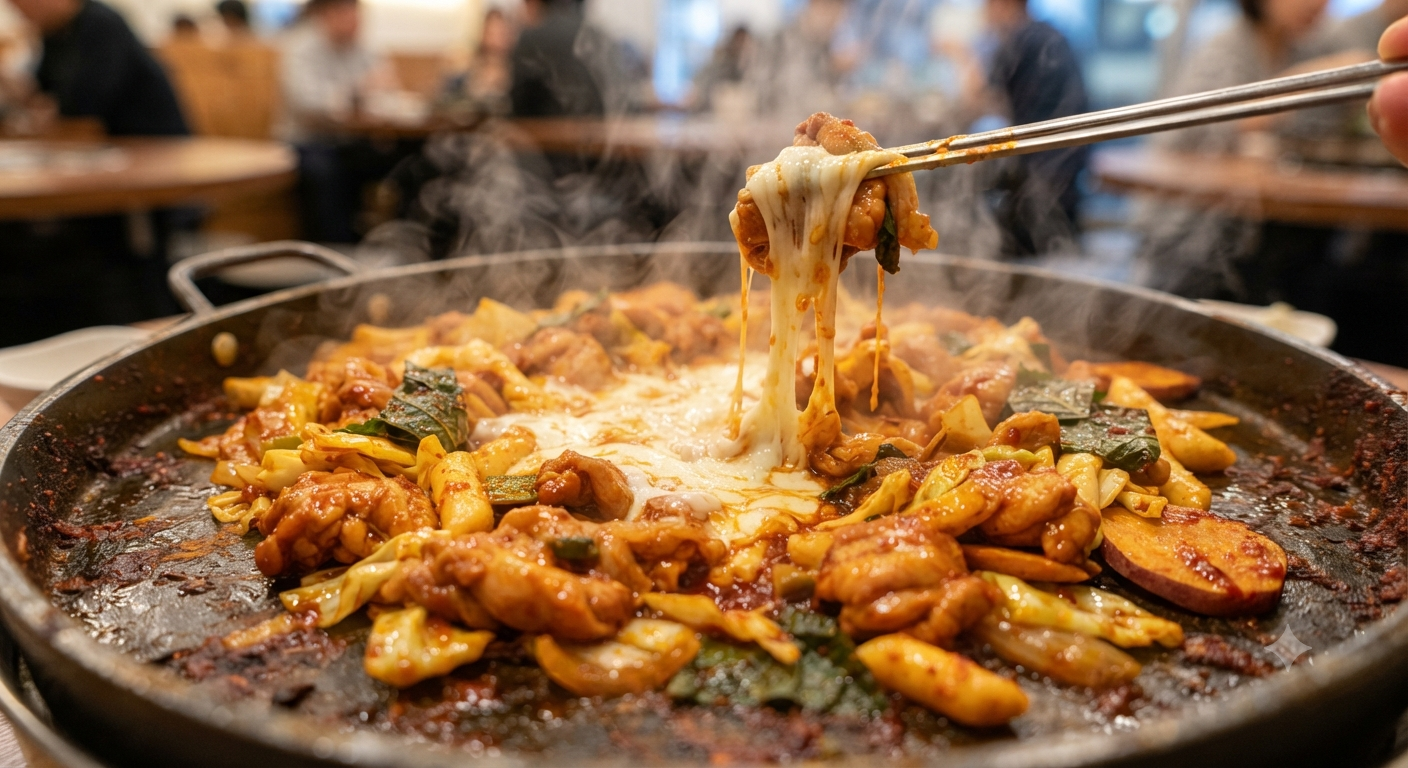
  • Dakgalbi: Spicy Korean Stir-Fried Chicken with a Chuncheon Soul 🌶️🍗

    Dakgalbi: Spicy Korean Stir-Fried Chicken with a Chuncheon Soul 🌶️🍗

    Dakgalbi: Spicy Korean Stir-Fried Chicken with a Chuncheon Soul 🌶️🍗

    Few dishes capture the thrill of Korean comfort food like Dakgalbi: tender chicken, crisp vegetables, chewy rice cakes, and a fiery-sweet gochujang sauce sizzling together in one pan. This iconic Korean chicken dish is bold, communal, and wonderfully adaptable—perfect for a lively weeknight dinner or a shareable table feast.

    📜 History: Where Did Dakgalbi Come From?

    Dakgalbi originated in Chuncheon, a scenic city in Gangwon Province, South Korea, during the 1960s. Its name combines dak, meaning chicken, and galbi, meaning ribs. Interestingly, classic dakgalbi contains chicken rather than ribs; the name reflected its role as an affordable alternative to pricier grilled pork ribs.

    Often called “Chuncheon dakgalbi”, the dish became popular near university districts and bus stations, where friends could gather around a large cast-iron pan. Today, it remains a beloved Korean restaurant staple worldwide, usually served with perilla leaves, pickled radish, and fried rice made from the flavorful sauce left in the pan.

    🛒 Ingredients for Authentic Dakgalbi

    • 1½ pounds boneless, skinless chicken thighs, cut into bite-size pieces
    • 3 tablespoons gochujang (Korean red chili paste)
    • 1 tablespoon gochugaru (Korean red pepper flakes)
    • 2 tablespoons soy sauce
    • 1½ tablespoons brown sugar or honey
    • 1 tablespoon rice syrup or corn syrup
    • 1 tablespoon minced garlic
    • 1 teaspoon grated ginger
    • 1 tablespoon sesame oil
    • 1 small cabbage, chopped
    • 1 sweet potato, thinly sliced
    • 1 onion, sliced
    • 1 carrot, sliced
    • 1 cup Korean rice cakes (tteok), soaked if firm
    • 2 scallions, cut into long pieces
    • Sesame seeds and perilla leaves, for serving

    🔥 Step-by-Step Dakgalbi Recipe

    1. Make the spicy marinade 🌶️
      In a large bowl, whisk together gochujang, gochugaru, soy sauce, brown sugar, rice syrup, garlic, ginger, and sesame oil. The ideal sauce should taste spicy, savory, slightly sweet, and deeply garlicky.
    2. Marinate the chicken 🍗
      Add the chicken thighs to the bowl and coat every piece thoroughly. Let it marinate for at least 20 minutes; for richer flavor, refrigerate it for up to 4 hours.
    3. Prepare the vegetables 🥬
      Chop the cabbage, onion, carrot, and sweet potato into thin, even pieces. Thin slicing is important because dakgalbi cooks quickly in a wide pan.
    4. Heat the pan 🍳
      Place a large skillet, wok, or Korean-style shallow pan over medium-high heat. Add a small splash of neutral oil if your pan is not well seasoned.
    5. Cook the sweet potato and chicken
      Add the sweet potato first and cook for 2 minutes. Add the marinated chicken and spread it across the pan. Stir-fry for 5 to 7 minutes until the chicken begins to brown.
    6. Add vegetables and rice cakes ✨
      Add cabbage, onion, carrot, rice cakes, and scallions. Stir frequently for another 6 to 8 minutes. Add 2 to 3 tablespoons of water if the sauce becomes too thick before the vegetables soften.
    7. Finish and serve 🥢
      When the chicken is fully cooked and the rice cakes are tender, sprinkle with sesame seeds. Serve immediately with steamed rice, perilla leaves, and cool pickled radish.

    💚 Health Benefits & Smart Cooking Tips

    Dakgalbi offers a satisfying balance of protein, vegetables, and energizing carbohydrates. Chicken thighs provide high-quality protein and iron, while cabbage, carrots, and sweet potatoes contribute fiber, vitamin A, vitamin C, and antioxidants. Capsaicin in Korean chili peppers may also support metabolism and add that unmistakable warming kick.

    For a lighter version, use chicken breast or reduce the rice cakes and add mushrooms, zucchini, or extra cabbage. If you are sensitive to spice, cut the gochugaru in half and add a little extra honey. For the most authentic finish, reserve a few spoonfuls of the cooked dakgalbi, stir in cold rice, seaweed flakes, and sesame oil, then fry it directly in the pan. That golden dakgalbi fried rice is too delicious to miss.

    🥬 Recommended Ingredients

    Bring the true taste of Chuncheon to your kitchen with fresh chicken, Korean rice cakes, gochujang, and aromatic gochugaru—the essential flavors behind authentic dakgalbi.

    👉 Shop Fresh Ingredients on Amazon

    🍳 Recommended Kitchen Tools

    A wide cast-iron skillet or sturdy wok helps the chicken caramelize beautifully while giving the vegetables and rice cakes plenty of room to cook evenly.

    👉 Check Out Essential Cooking Tools on Amazon

    * Disclaimer: As an Amazon Associate, I earn from qualifying purchases at no additional cost to you.

    TAGS: #Dakgalbi, #KoreanFood, #SpicyChicken, #ChuncheonDakgalbi, #KoreanRecipe
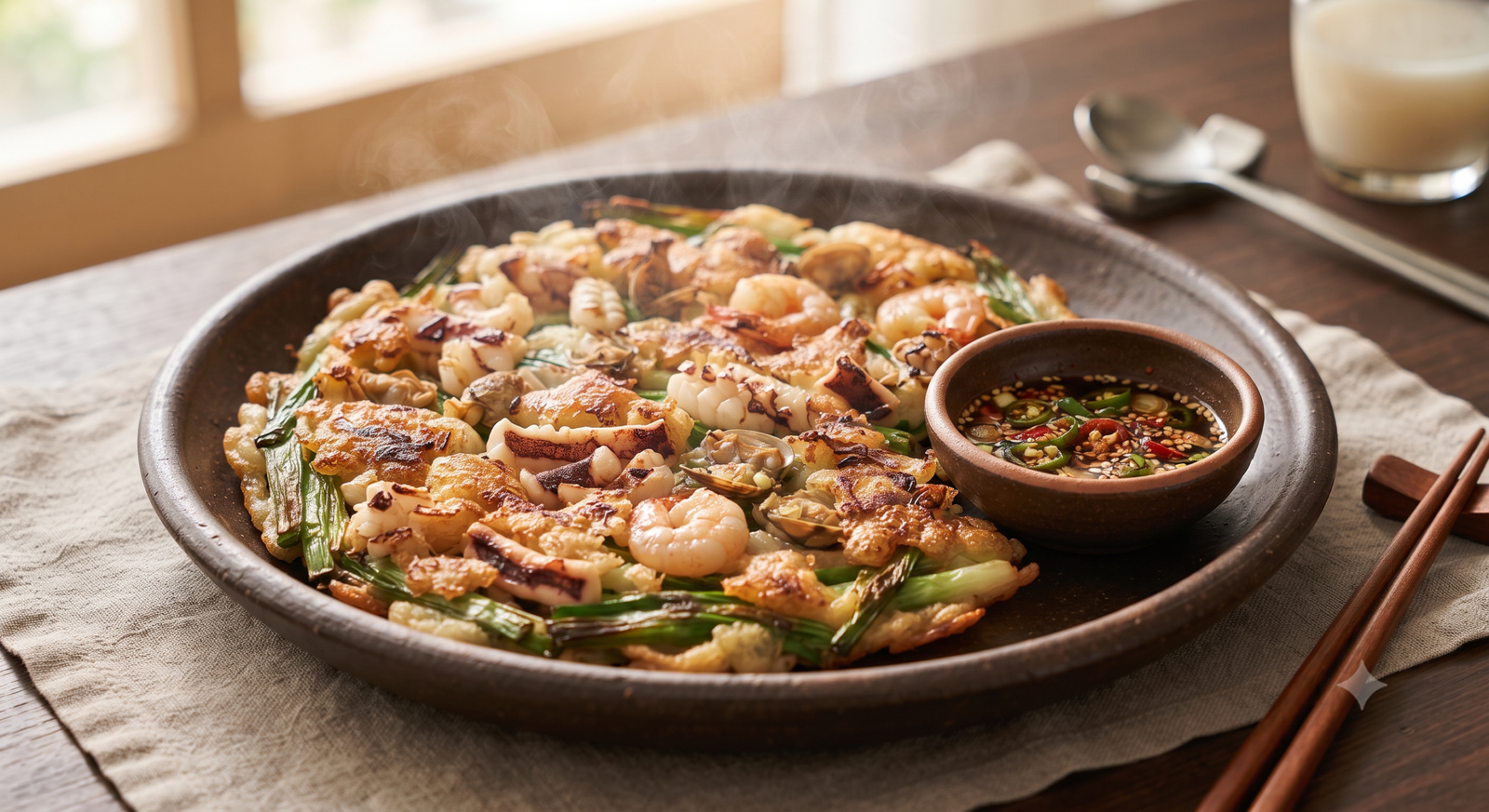
  • Seafood Pajeon: Crispy Korean Scallion Pancake 🦑🦐

    Seafood Pajeon: Crispy Korean Scallion Pancake 🦑🦐

    Seafood Pajeon: Crispy Korean Scallion Pancake 🦑🦐

    Few dishes capture the comfort of Korean home cooking quite like Seafood Pajeon. Golden, crisp-edged, and packed with sweet scallions and tender seafood, this beloved savory pancake is the kind of dish that disappears quickly from the table. Known in Korean as haemul pajeon, it is wonderfully versatile: serve it as an appetizer, a light lunch, a weekend brunch dish, or a crowd-pleasing snack alongside a chilled drink.

    📜 The History Behind Korean Pajeon

    Pajeon comes from the Korean word pa, meaning scallion, and jeon, referring to foods coated in batter or egg and pan-fried. Variations of Korean savory pancakes have been enjoyed for centuries, often made with seasonal vegetables, kimchi, meat, or seafood.

    Seafood Pajeon is especially associated with Korea’s coastal regions, where fresh squid, shrimp, clams, and oysters are plentiful. Its popularity also rises on rainy days, when many Koreans enjoy the soothing sound of sizzling batter in a hot pan. Traditionally paired with Korean rice wine, or makgeolli, this crispy pancake balances briny seafood, fragrant scallions, and a lightly chewy interior.

    🛒 Ingredients for Seafood Pajeon

    • 1 cup all-purpose flour
    • 2 tablespoons rice flour or cornstarch for extra crispness
    • 1 cup ice-cold water
    • 1 large egg
    • ½ teaspoon salt
    • 1 bunch scallions, trimmed and cut to pan length
    • 150 g mixed seafood, such as squid, shrimp, calamari, or small clams
    • 2 tablespoons neutral cooking oil, plus more as needed
    • 1 red chili or bell pepper, thinly sliced (optional)

    For the dipping sauce: Mix 2 tablespoons soy sauce, 1 tablespoon rice vinegar, 1 teaspoon sesame oil, 1 teaspoon toasted sesame seeds, and a pinch of chili flakes.

    🍳 How to Make Seafood Pajeon Step by Step

    1. Prepare the seafood 🦐
      Rinse the seafood and pat it thoroughly dry with paper towels. Slice squid into bite-size rings and cut larger shrimp into smaller pieces. Dry seafood is essential because excess moisture can make the pancake soggy.
    2. Make the cold batter 🥣
      In a bowl, whisk together the all-purpose flour, rice flour, salt, egg, and ice-cold water until just combined. A few small lumps are fine. Cold batter helps create a lighter, crispier pajeon.
    3. Heat the pan 🔥
      Place a large nonstick or cast-iron skillet over medium-high heat. Add enough oil to generously coat the surface. The oil should shimmer but not smoke.
    4. Arrange the scallions 🌿
      Lay the scallions in a single layer across the pan. Let them cook for about 30 seconds, allowing their natural sweetness and aroma to bloom.
    5. Add seafood and batter 🦑
      Scatter the seafood evenly over the scallions, then pour the batter over everything. Use a spoon or spatula to gently spread the mixture into a round, even pancake. Add sliced chili or bell pepper for color, if using.
    6. Pan-fry until deeply golden ✨
      Cook for 4 to 5 minutes without moving the pancake. When the bottom is crisp and golden brown, carefully flip it using two spatulas or a large plate. Add a little more oil around the edges, then cook the second side for another 3 to 4 minutes.
    7. Slice and serve 🍽️
      Transfer the Seafood Pajeon to a cutting board, rest for one minute, then cut into squares or wedges. Serve immediately with the soy-vinegar dipping sauce.

    💚 Health Benefits and Smart Cooking Tips

    Seafood Pajeon can be a nourishing choice when made with quality ingredients. Shrimp and squid offer lean protein, while seafood naturally provides minerals such as iodine, selenium, and zinc. Scallions contribute vitamin K, vitamin C, and antioxidant plant compounds. Using a mix of regular flour and rice flour also creates a crisp texture without needing excessive batter.

    For a lighter version, use less oil and cook in a well-seasoned nonstick skillet. For the best restaurant-style crunch, avoid overcrowding the pan and serve immediately after frying. If you prefer a gluten-free Seafood Pajeon, replace the all-purpose flour with a Korean pancake mix labeled gluten-free or a blend of rice flour and potato starch.

    Serving idea: Pair this Korean seafood pancake with cucumber salad, kimchi, or a bowl of warm soup for an easy, satisfying meal.

    🍳 Make Every Pajeon Extra Crispy

    A reliable nonstick skillet, quality toasted sesame oil, and a sharp kitchen knife make preparing Seafood Pajeon faster, easier, and more delicious. Explore practical Korean cooking essentials and pantry staples for your next homemade feast.

    👉 Check Out Recommended Products on Amazon

    * Disclaimer: As an Amazon Associate, I earn from qualifying purchases at no additional cost to you.

    TAGS: #SeafoodPajeon, #KoreanFood, #KoreanPancake, #SeafoodRecipe, #EasyKoreanRecipes

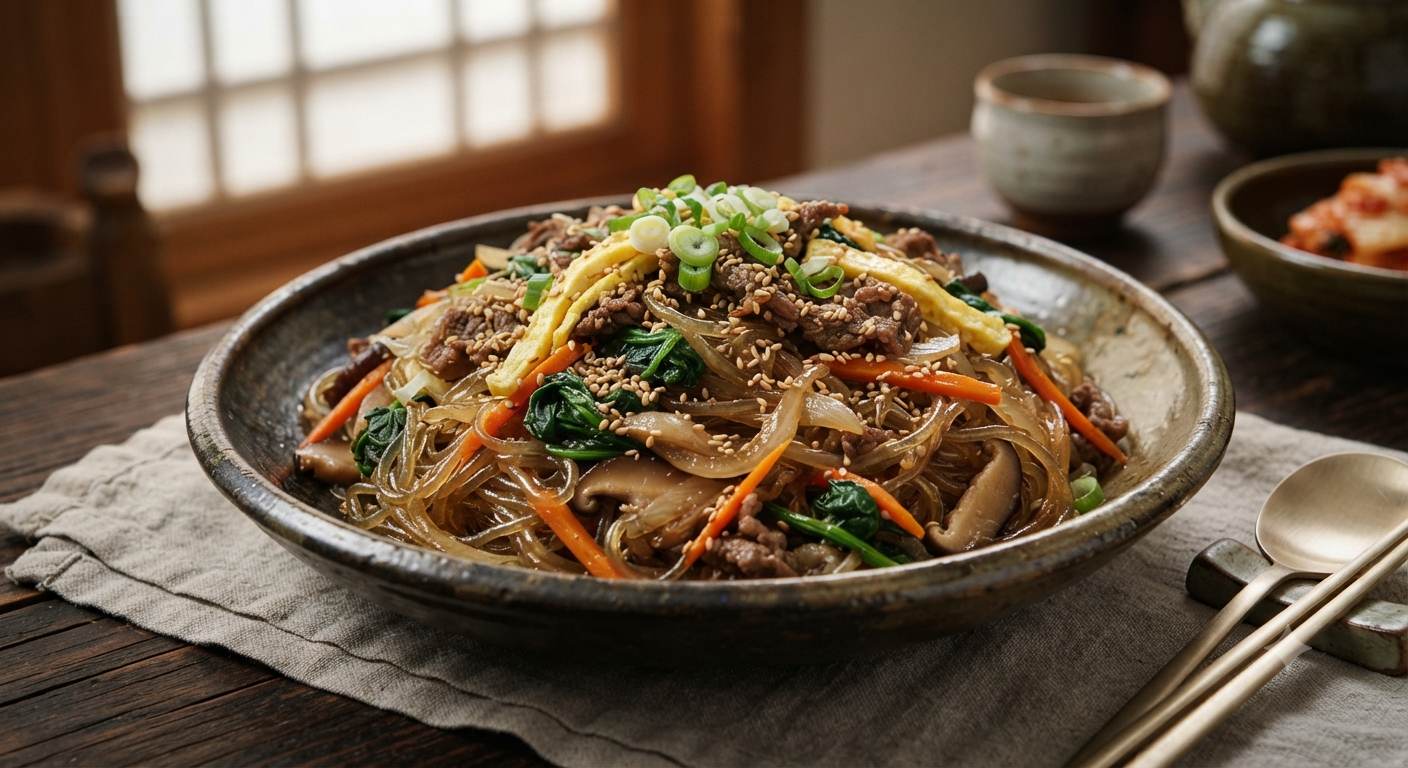
  • 🍜Japchae: Korea’s Irresistible Sweet-Savory Glass Noodle Dish

    🍜Japchae: Korea’s Irresistible Sweet-Savory Glass Noodle Dish


    Glossy, colorful, and deeply satisfying, Japchae is one of the most beloved dishes in Korean cuisine. Made with bouncy sweet potato starch noodles, tender beef or tofu, and a rainbow of sautéed vegetables, this classic Korean glass noodle recipe delivers an unforgettable balance of savory soy sauce, nutty sesame oil, and subtle sweetness. Whether served warm at a family celebration or chilled as a make-ahead side dish, Japchae brings restaurant-quality Korean flavor straight to your kitchen.

    📜 The History and Tradition of Japchae

    The word Japchae means “mixed vegetables” in Korean. Its origins date back to Korea’s Joseon Dynasty, when it was reportedly created in the 17th century for King Gwanghaegun. Interestingly, the earliest version did not contain noodles at all; it was a colorful royal dish centered on stir-fried vegetables, mushrooms, and seasonings.

    Sweet potato glass noodles, known as dangmyeon, became part of Japchae much later, around the early 20th century. Today, these translucent, chewy noodles are the dish’s signature ingredient. In homes and restaurants across South Korea, Japchae is often prepared for birthdays, holidays, wedding feasts, and celebratory gatherings. Its bright ingredients also symbolize abundance, harmony, and care.

    🥢 Easy Traditional Japchae Recipe

    This recipe makes about 4 servings as a main dish or 6 servings as a side. For the best texture, cook and season the ingredients separately before combining them—this classic technique keeps every color vivid and every vegetable flavorful.

    Ingredients

    • 8 ounces Korean sweet potato glass noodles (dangmyeon)
    • 6 ounces thinly sliced beef, such as ribeye or sirloin, or firm tofu for a vegetarian Japchae
    • 1 medium carrot, cut into thin matchsticks
    • 1 red bell pepper, thinly sliced
    • 1 small onion, thinly sliced
    • 4 ounces spinach
    • 4 ounces shiitake mushrooms, sliced
    • 2 tablespoons neutral cooking oil
    • 2 tablespoons toasted sesame seeds

    For the Japchae sauce

    • 4 tablespoons soy sauce
    • 2 tablespoons brown sugar or honey
    • 2 tablespoons toasted sesame oil
    • 2 garlic cloves, minced
    • 1 tablespoon water

    👩‍🍳 Step-by-Step: How to Make Japchae

    1. Prepare the sauce 🥣Whisk the soy sauce, brown sugar, sesame oil, garlic, and water in a small bowl. Stir until the sugar dissolves. This sauce gives Japchae its iconic sweet, savory, sesame-rich flavor.
    2. Cook the glass noodles 🍜Bring a large pot of water to a boil. Add the sweet potato noodles and cook according to the package instructions, usually 6 to 8 minutes, until chewy but tender. Drain well, rinse briefly with cool water, and cut the noodles with kitchen scissors into shorter lengths if desired.
    3. Season the noodles ✨Transfer the warm noodles to a large mixing bowl. Toss with about half of the prepared sauce. Coating them while warm helps the noodles absorb the seasoning beautifully.
    4. Cook the protein 🥩Heat a little oil in a large skillet over medium-high heat. Stir-fry the beef for 2 to 3 minutes until browned and cooked through. If using tofu, pat it dry, cube it, and pan-sear until golden. Set aside.
    5. Sauté the vegetables 🌈In the same skillet, cook the onion, carrot, bell pepper, and shiitake mushrooms separately or in small batches. Add a pinch of salt to each batch. Cook only until tender-crisp so the vegetables retain their color and texture.
    6. Blanch the spinach 🥬Drop the spinach into boiling water for 20 to 30 seconds. Drain, rinse under cool water, and squeeze out excess moisture. This prevents watery Japchae.
    7. Combine and finish 🍱Add the cooked protein, vegetables, spinach, and remaining sauce to the bowl of noodles. Toss thoroughly with clean hands or tongs. Finish with toasted sesame seeds and an extra drizzle of sesame oil. Serve warm, at room temperature, or chilled.

    🌿 Health Benefits and Smart Japchae Tips

    Japchae can be a wonderfully balanced meal. Sweet potato starch noodles are naturally gluten-free, while spinach, carrots, peppers, and mushrooms contribute fiber, antioxidants, and essential vitamins. Sesame oil provides heart-friendly unsaturated fats, and adding lean beef, chicken, eggs, or tofu turns the dish into a more protein-rich meal.

    For a lighter version, use extra vegetables and slightly fewer noodles. For a vegan Japchae recipe, replace beef with tofu or more mushrooms and choose a vegan-friendly soy sauce. If you need to manage sodium, use low-sodium soy sauce and taste before adding extra seasoning.

    Best make-ahead tip: Japchae keeps well in an airtight container in the refrigerator for up to three days. Before serving leftovers, let them sit at room temperature for 15 minutes or warm them gently in a skillet with a splash of water. A final touch of sesame oil restores its delicious shine and aroma.


    🍳


    👉 Check Out Recommended Products on Amazon


    * Disclaimer: As an Amazon Associate, I earn from qualifying purchases at no additional cost to you.


    Tags: #Japchae, #KoreanFood, #GlassNoodles, #KoreanRecipe, #HealthyDinner


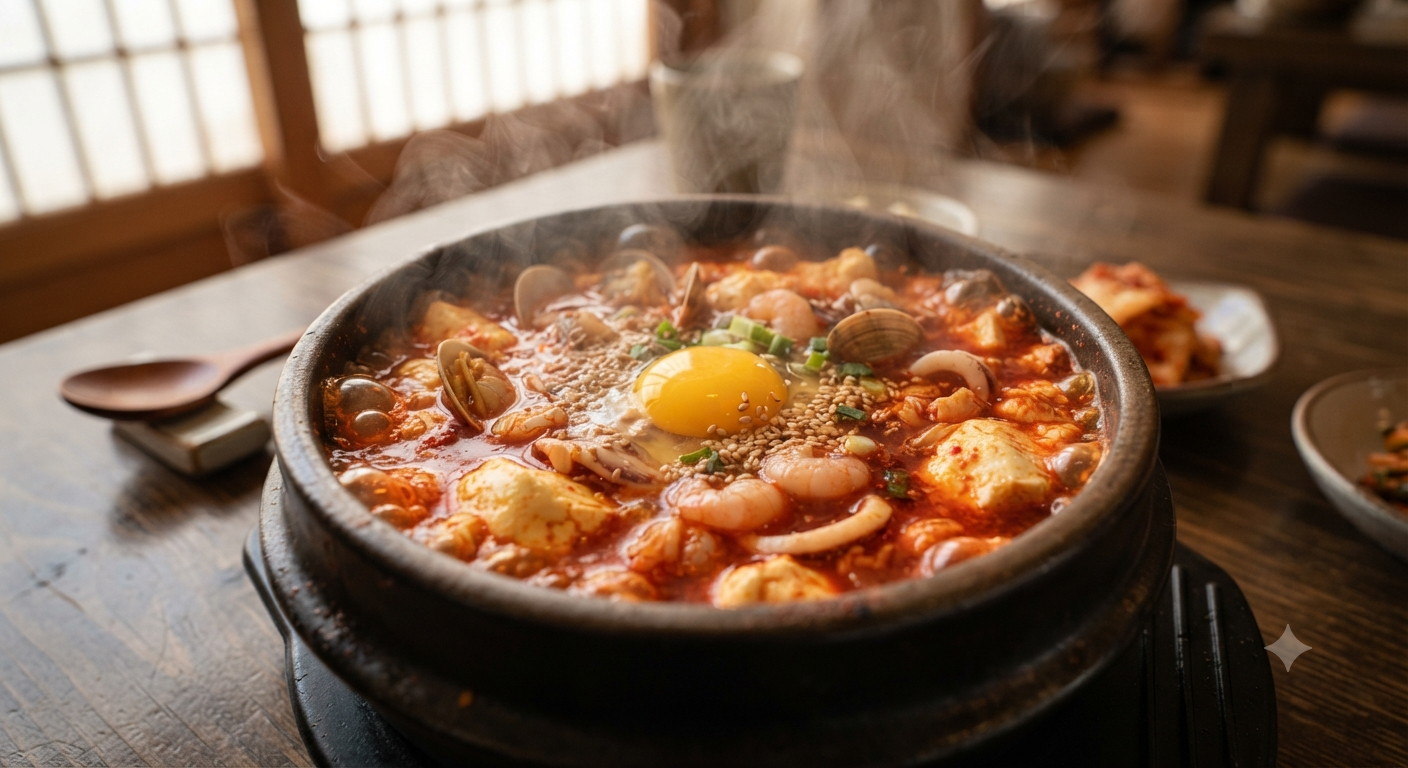
  • 🍲Soft Tofu Stew: A Comforting Korean Classic

    🍲Soft Tofu Stew: A Comforting Korean Classic

    Few dishes deliver comfort as quickly as Soft Tofu Stew. Silky tofu, a spicy-savory broth, tender vegetables, and a just-cooked egg come together in one bubbling bowl. Known in Korea as sundubu jjigae, this warming stew is a favorite for busy weeknights, cold weather, and anyone craving a deeply flavorful meal that feels nourishing rather than heavy.

    This easy Korean soft tofu stew recipe uses accessible ingredients while keeping the bold, restaurant-style character of traditional sundubu jjigae. Serve it with steamed rice and a few simple Korean side dishes for an unforgettable homemade meal.

    📜 The History of Sundubu Jjigae

    Soft tofu has a long place in Korean food culture, where tofu has been enjoyed for centuries as an affordable, versatile source of plant-based protein. The word sundubu refers to extra-soft, unpressed tofu with a delicate, custard-like texture. Unlike firm tofu, it is not tightly compacted, allowing it to absorb the flavors of the broth beautifully.

    Jjigae means stew in Korean, and sundubu jjigae became especially popular in modern Korean dining through neighborhood restaurants that served individual earthenware bowls of bubbling stew. Regional and household variations are common: some versions feature pork belly, others use clams or shrimp, while vegetarian recipes rely on mushrooms, zucchini, and seaweed stock.

    Today, Korean soft tofu stew is enjoyed far beyond Korea, from Seoul’s traditional eateries to home kitchens in London, Los Angeles, Sydney, and Singapore. Its appeal is simple: intense flavor, flexible ingredients, and a satisfying texture in every spoonful.

    🛒 Ingredients for Soft Tofu Stew

    • 1 tablespoon neutral oil or toasted sesame oil
    • 2 cloves garlic, finely minced
    • 1 tablespoon Korean red pepper flakes (gochugaru)
    • 120 g pork belly, ground pork, shrimp, or sliced mushrooms
    • 1 small zucchini, sliced
    • 1/2 small onion, thinly sliced
    • 2 cups anchovy-kelp, chicken, vegetable, or seafood stock
    • 1 tablespoon soy sauce
    • 1 teaspoon fish sauce or extra soy sauce
    • 1 tube or package soft tofu (about 350 g)
    • 1 egg
    • 2 green onions, sliced
    • Salt and black pepper, to taste

    👩‍🍳 How to Make Soft Tofu Stew Step by Step

    1. Build the aromatic base 🔥Heat the oil in a small pot or Korean stone bowl over medium heat. Add garlic and cook for about 20 seconds until fragrant. Stir in the gochugaru carefully; it should sizzle gently without burning. This step creates the stew’s signature deep red, aromatic broth.
    2. Add your protein or mushrooms 🍤Add pork, seafood, or mushrooms and cook for 2 to 3 minutes. If using pork, break it apart and cook until lightly browned. Seafood should only be partly cooked at this stage because it will finish in the broth.
    3. Simmer the vegetables 🥒Add the onion and zucchini, then pour in the stock. Stir in soy sauce and fish sauce. Bring the mixture to a lively simmer and cook for 5 to 7 minutes, until the zucchini is tender but not mushy.
    4. Gently add the soft tofu 🥄Spoon the soft tofu into the pot in large, tender pieces. Avoid stirring aggressively; preserving those soft tofu curds is essential for the classic sundubu texture. Simmer for another 3 minutes.
    5. Finish with an egg 🥚Crack an egg directly into the center of the stew. Cover the pot for 1 to 2 minutes, depending on whether you prefer a runny or firmer yolk. Sprinkle with green onions and season with salt or pepper if needed.
    6. Serve immediately 🍚Bring the stew to the table while bubbling hot. Serve with steamed short-grain rice, kimchi, and roasted seaweed. For the most authentic experience, let the egg yolk melt into the spicy broth just before eating.

    🌿 Health Benefits and Smart Cooking Tips

    Soft tofu stew can be a balanced meal, especially when filled with vegetables and served with moderate portions of rice. Tofu provides plant-based protein, iron, and calcium, while garlic, green onions, and zucchini contribute valuable antioxidants and micronutrients. If made with mushrooms or seafood, the dish remains protein-rich without feeling overly heavy.

    For a vegetarian soft tofu stew, use vegetable or kombu stock, mushrooms, and soy sauce instead of fish sauce. Want less heat? Start with 1 teaspoon of gochugaru and add more after tasting. For a richer restaurant-style broth, include kimchi and a teaspoon of kimchi brine. Most importantly, choose genuine soft or silken tofu—firm tofu will not create the silky, spoonable texture that makes this Korean stew so special.

    Quick tip: Leftover stew can be refrigerated for up to two days, but add a fresh egg only when reheating and serving.


    🍳 Make Every Pajeon Extra Crispy

    A reliable nonstick skillet, quality toasted sesame oil, and a sharp kitchen knife make preparing Seafood Pajeon faster, easier, and more delicious. Explore practical Korean cooking essentials and pantry staples for your next homemade feast.

    👉 Check Out Recommended Products on Amazon

    * Disclaimer: As an Amazon Associate, I earn from qualifying purchases at no additional cost to you.


    TAGS: #SoftTofuStew, #SundubuJjigae, #KoreanFood, #TofuRecipes, #ComfortFood

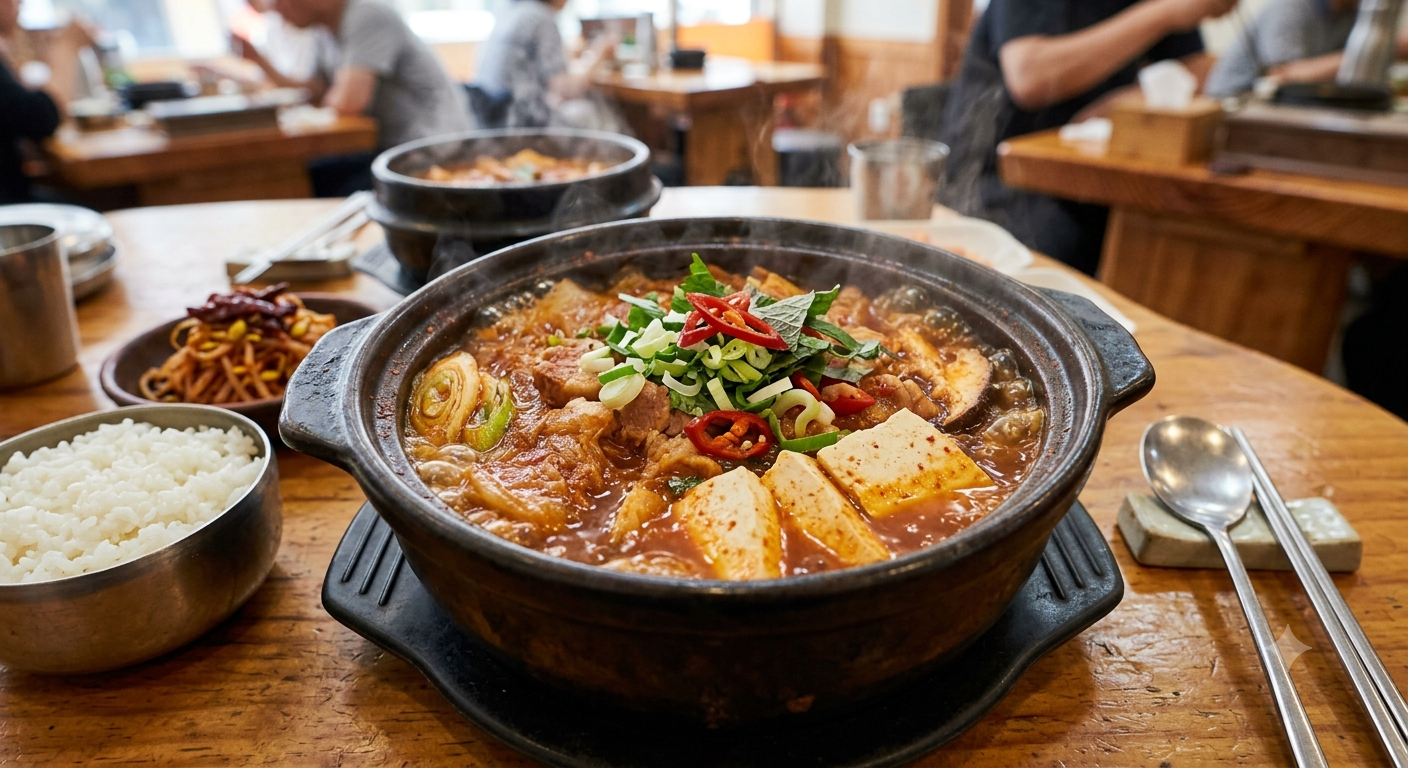
  • 🍲Kimchi Stew (Kimchi Jjigae): Korea’s Bold, Comforting Bowl of Flavor

    🍲Kimchi Stew (Kimchi Jjigae): Korea’s Bold, Comforting Bowl of Flavor

    Few dishes capture the soul of Korean home cooking like Kimchi Stew, known in Korea as kimchi jjigae. Rich, spicy, savory, and wonderfully tangy, this bubbling red stew turns well-fermented kimchi into a deeply satisfying meal. It is the kind of dish that perfumes the kitchen, warms cold evenings, and tastes even better with a bowl of steaming rice. Whether you are exploring Korean cuisine for the first time or craving an authentic comfort food classic, kimchi stew is a delicious place to begin.

    📜 The History and Tradition of Kimchi Jjigae

    Kimchi has been central to Korean food culture for centuries. Long before refrigeration, Korean families preserved seasonal vegetables—most famously napa cabbage—through salting and fermentation. This practical preservation method created kimchi’s unmistakable sour, spicy, umami-rich character.

    Kimchi jjigae became especially popular in modern Korea as an economical and flavorful way to use older, more fermented kimchi. Fresh kimchi can be crisp and bright, but aged kimchi develops a stronger acidity that makes it ideal for simmering in soups and stews. Traditionally cooked in an earthenware pot called a ttukbaegi, kimchi stew is a beloved everyday dish served in homes, neighborhood restaurants, and Korean barbecue spots across South Korea.

    While pork is a classic addition, regional and household recipes vary widely. Some cooks use canned tuna, beef, seafood, tofu, or mushrooms. The essential element remains the same: well-fermented kimchi simmered until intensely flavorful.

    🍲 Easy Authentic Kimchi Stew Recipe

    This recipe serves 2 to 3 people and creates a balanced kimchi jjigae with pork belly, tofu, and a comforting spicy broth.

    Ingredients

    • 2 cups well-fermented napa cabbage kimchi, chopped
    • 150 g pork belly or thinly sliced pork shoulder
    • 1 tablespoon sesame oil
    • 1 tablespoon gochugaru (Korean red pepper flakes)
    • 1 teaspoon gochujang (Korean chili paste), optional
    • 2 cups anchovy-kelp stock, chicken stock, or water
    • 1/2 small onion, sliced
    • 2 cloves garlic, minced
    • 1 tablespoon kimchi brine
    • 200 g firm tofu, sliced
    • 1 green onion, cut into pieces
    • 1 teaspoon sugar, optional

    👩‍🍳 Step-by-Step Kimchi Jjigae Method

    1. 🥓 Sauté the pork. Heat the sesame oil in a medium pot over medium heat. Add the pork belly and cook for 3 to 4 minutes, until lightly browned and some fat has rendered. This creates a rich base for the stew.
    2. 🌶️ Cook the kimchi. Add the chopped kimchi, garlic, onion, gochugaru, and optional gochujang. Stir-fry for about 5 minutes. Let the kimchi soften and caramelize slightly; this step builds the stew’s signature deep flavor.
    3. 💧 Add stock and simmer. Pour in the stock or water, then add the kimchi brine. If your kimchi is very sharp, stir in the sugar to balance the acidity. Bring everything to a gentle boil.
    4. ⏲️ Develop the broth. Reduce the heat to medium-low and simmer uncovered for 15 to 20 minutes. The broth should become red, fragrant, and savory. Taste before adding salt, as kimchi is naturally salty.
    5. 🥢 Add tofu and green onion. Gently place the tofu slices on top of the stew and add the green onion. Simmer for another 3 to 5 minutes, just until the tofu is heated through.
    6. 🍚 Serve piping hot. Bring the pot straight to the table if possible. Serve your kimchi stew with short-grain Korean rice, roasted seaweed, and simple side dishes such as cucumber salad or bean sprouts.

    🌿 Health Benefits and Smart Cooking Tips

    Kimchi stew is more than a bold comfort meal. Fermented kimchi may provide beneficial probiotics, which can support a diverse gut microbiome. Napa cabbage also contains vitamins A, C, and K, while tofu adds plant-based protein, calcium, and iron. Choosing lean pork, tuna, or mushrooms can make this Korean stew lighter without sacrificing flavor.

    Best tip: use kimchi that has fermented for at least two weeks. Older kimchi should smell pleasantly sour rather than spoiled, and it will deliver the authentic tang needed for a great kimchi jjigae. Save the liquid in the kimchi jar, too—it is a powerful seasoning for the broth.

    For a vegetarian version, replace pork with shiitake mushrooms and use vegetable or kelp stock. If you prefer less heat, reduce the gochugaru and skip the gochujang. For an extra restaurant-style finish, crack an egg into the simmering stew during the final few minutes. One spoonful of kimchi stew is spicy, tangy, savory Korean comfort at its best.


    🍳 Make Every Pajeon Extra Crispy

    A reliable nonstick skillet, quality toasted sesame oil, and a sharp kitchen knife make preparing Seafood Pajeon faster, easier, and more delicious. Explore practical Korean cooking essentials and pantry staples for your next homemade feast.

    👉 Check Out Recommended Products on Amazon

    * Disclaimer: As an Amazon Associate, I earn from qualifying purchases at no additional cost to you.


    TAGS: #KimchiStew, #KimchiJjigae, #KoreanFood, #KoreanRecipe, #FermentedFoods


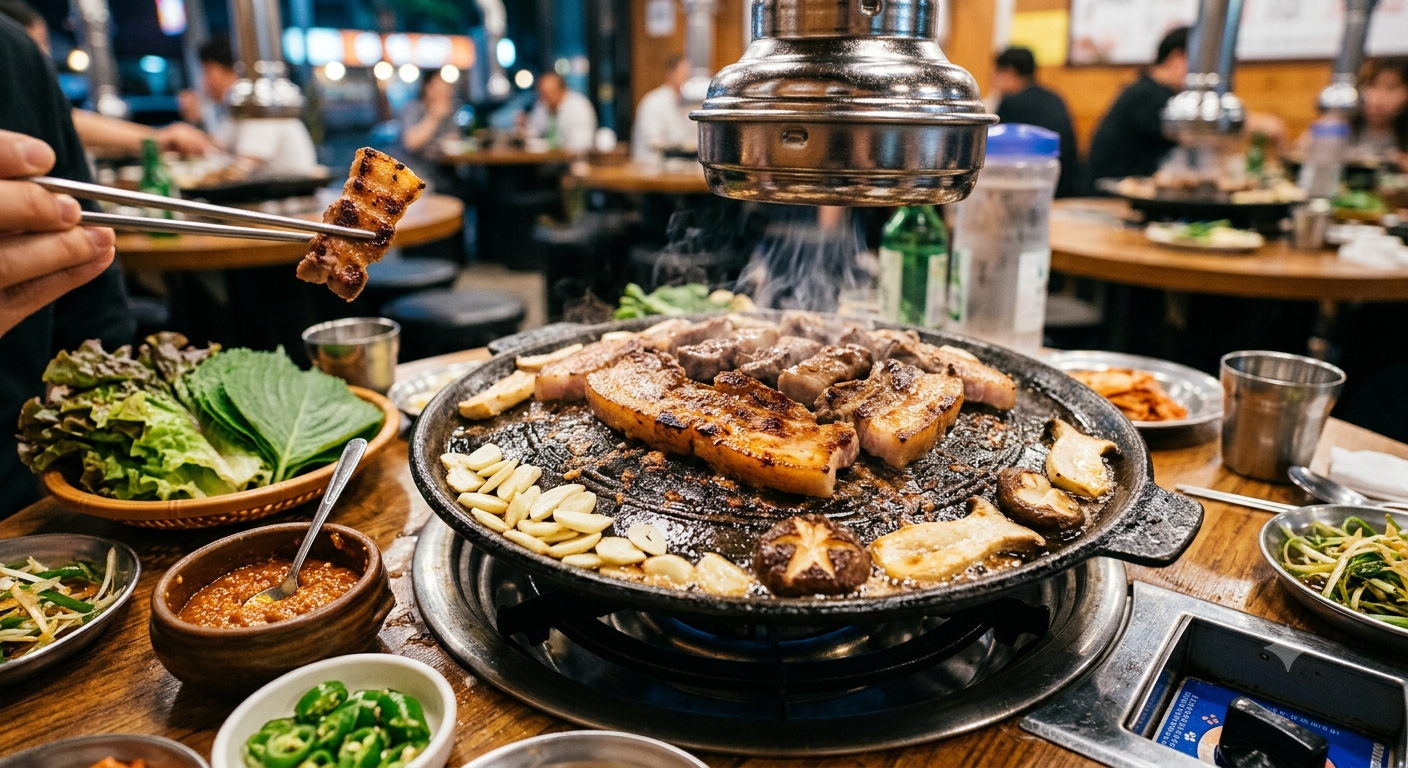
  • Samgyeopsal: Korea’s Sizzling Pork Belly Experience 🥓🔥

    Samgyeopsal: Korea’s Sizzling Pork Belly Experience 🥓🔥

    Few dishes create a table-side moment as irresistible as samgyeopsal, Korea’s beloved grilled pork belly. Thick, juicy slices of unseasoned pork belly hit a hot grill, releasing a savory aroma that invites everyone to gather, wrap, dip, and share. More than a simple barbecue dish, samgyeopsal is a social ritual: crisp lettuce, sharp garlic, spicy kimchi, fragrant sesame oil, and perfectly grilled pork all come together in one memorable bite.

    In Korean, samgyeopsal literally means “three-layered flesh,” referring to the visible layers of meat and fat in pork belly. It is one of the most popular foods for a Korean barbecue night at home, especially when served with steamed rice, fresh vegetables, and chilled drinks.

    📜 The History and Culture of Samgyeopsal

    Although pork has long been part of Korean cuisine, modern samgyeopsal culture rose dramatically in South Korea during the late 20th century. As pork production became more accessible, pork belly developed a reputation as an affordable, filling, and delicious cut that was ideal for communal dining.

    Unlike many Korean meat dishes that are marinated before cooking, traditional samgyeopsal is usually grilled without a marinade. This allows diners to enjoy the rich, clean flavor of the pork itself. The magic happens at the table, where each person creates a custom wrap called ssam using lettuce or perilla leaves, grilled pork, rice, garlic, ssamjang sauce, and kimchi.

    Today, samgyeopsal is a cornerstone of Korean barbecue, enjoyed in restaurants across Seoul and around the world. It is especially associated with celebrations, office dinners, family meals, and relaxed weekends with friends.

    🛒 Ingredients for Classic Samgyeopsal

    • 1½ pounds (700 g) thick-cut pork belly, sliced into grill-friendly strips
    • 1 tablespoon neutral cooking oil, if needed
    • 1 cup napa cabbage kimchi
    • 6 to 8 garlic cloves, peeled and sliced
    • 1 small onion, sliced
    • 1 head red leaf lettuce or butter lettuce
    • Perilla leaves, optional but highly recommended
    • Steamed Korean short-grain rice
    • Sesame oil, mixed with a pinch of salt and black pepper
    • Ssamjang (Korean soybean-chili dipping paste)
    • Sliced green chili or jalapeño, optional

    🍳 How to Cook Samgyeopsal Step by Step

    1. Prepare the table 🥬
      Wash and dry the lettuce and perilla leaves thoroughly. Arrange them on a platter with sliced garlic, onion, kimchi, ssamjang, sesame oil dip, rice, and chilies. Samgyeopsal is best when every side dish is ready before grilling begins.
    2. Heat your grill or skillet 🔥
      Use a Korean barbecue grill pan, cast-iron skillet, griddle, or outdoor grill. Heat it over medium-high heat. Pork belly releases plenty of fat, so you usually do not need much extra oil.
    3. Grill the pork belly 🥓
      Place the pork belly slices on the hot surface in a single layer. Cook for about 3 to 4 minutes per side until deeply golden and crisp at the edges. Use kitchen scissors or tongs to cut the pork into bite-size pieces as it cooks.
    4. Cook the kimchi and garlic alongside 🌶️
      Move the pork slightly aside and add kimchi, garlic, and onion to the rendered pork fat. Grill until the kimchi caramelizes, the garlic softens, and the onion becomes lightly charred. This step adds a smoky, restaurant-style flavor.
    5. Check doneness carefully ✅
      Cook pork until it reaches an internal temperature of 145°F (63°C), then let it rest briefly. The slices should be browned, juicy, and pleasantly crisp—not dry.
    6. Build your perfect ssam wrap ✨
      Place a lettuce leaf in your hand. Add a small spoonful of rice, one or two pieces of pork, grilled kimchi, garlic, and a dab of ssamjang. Fold into a compact wrap and enjoy in one bite.

    🌿 Health Benefits and Smart Serving Tips

    Samgyeopsal is rich in protein, vitamin B12, zinc, and iron, nutrients that support energy production, muscle maintenance, and immune health. Pork belly is also higher in fat than leaner cuts, which gives it its famous tenderness and flavor. For a more balanced meal, pair it generously with leafy greens, kimchi, mushrooms, cucumber salad, and brown or mixed-grain rice.

    Fermented kimchi contributes beneficial probiotics, while garlic and perilla leaves add bold flavor without requiring extra salt. To lighten the meal, serve smaller portions of pork and make vegetables the foundation of each wrap. You can also drain excess rendered fat from the pan during cooking for a less greasy finish.

    Pro tip: Buy pork belly cut about ¼ to ½ inch thick. Thin slices can overcook quickly, while thick slices stay juicy and develop the ideal contrast between crisp edges and tender centers.

    TAGS: #Samgyeopsal, #KoreanBBQ, #PorkBelly, #KoreanFood, #EasyRecipes

  • Tteokbokki: Korea’s Irresistible Spicy Rice Cake Street Food 🌶️🍢

    Tteokbokki: Korea’s Irresistible Spicy Rice Cake Street Food 🌶️🍢

    Chewy, glossy, sweet-spicy, and deeply comforting, tteokbokki is one of South Korea’s most beloved street foods. This vibrant red dish turns simple cylinder-shaped rice cakes into a crave-worthy meal with a bold gochujang sauce, tender fish cakes, and a satisfying kick of heat. Whether enjoyed from a bustling Seoul market stall or made in a home kitchen, tteokbokki delivers the unforgettable flavor of Korean comfort food in every bite.

    📜 The History and Traditional Roots of Tteokbokki

    Tteokbokki (떡볶이) literally means “stir-fried rice cakes,” but its story began very differently from the fiery red version known today. During Korea’s Joseon Dynasty, an early royal dish called gungjung tteokbokki was prepared with sliced rice cakes, beef, vegetables, soy sauce, and sesame oil. It was savory, elegant, and notably not spicy.

    Modern gochujang tteokbokki emerged in Seoul during the 1950s, when a food vendor reportedly combined rice cakes with Korea’s fermented red chili paste. The affordable, filling result quickly became a staple near schools, markets, and street-food alleys. Today, Seoul neighborhoods such as Sindang-dong are famous for tteokbokki restaurants, while versions across Korea may include cheese, ramen noodles, boiled eggs, dumplings, or seafood.

    At its heart, tteokbokki is a dish built around balance: chewy rice cakes, spicy chili paste, sweet notes, umami-rich broth, and savory fish cakes. It is easy to customize, quick enough for a weeknight, and perfect for sharing.

    🍲 Easy Korean Tteokbokki Recipe

    This classic recipe serves 2 to 3 people and takes about 25 minutes. For the best texture, use fresh Korean rice cakes (garaetteok), but refrigerated or frozen rice cakes work beautifully after soaking.

    Ingredients

    • 450 g Korean rice cakes (tteok)
    • 3 cups anchovy-kelp broth, vegetable broth, or water
    • 4 fish cake sheets, cut into bite-sized pieces
    • 1 small onion, thinly sliced
    • 2 green onions, cut into 5 cm pieces
    • 2 tablespoons gochujang (Korean red chili paste)
    • 1 tablespoon gochugaru (Korean red pepper flakes)
    • 1 tablespoon soy sauce
    • 1 to 1½ tablespoons sugar or rice syrup
    • 1 teaspoon minced garlic
    • 1 boiled egg, optional
    • Toasted sesame seeds, optional garnish

    👩‍🍳 Step-by-Step Tteokbokki Instructions

    1. Soften the rice cakes 💧If using refrigerated or frozen tteok, soak them in warm water for 10 to 15 minutes. Fresh rice cakes can usually be used immediately. This step helps create the signature soft-yet-chewy texture.
    2. Make the spicy sauce 🌶️In a small bowl, mix gochujang, gochugaru, soy sauce, sugar, and minced garlic. Stir until smooth. Adjust the gochugaru for more heat, or add a little extra sugar for a milder, sweeter sauce.
    3. Bring the broth to a simmer 🍲Pour the broth or water into a wide pan or shallow pot. Add the sliced onion and prepared sauce. Bring everything to a gentle boil, stirring until the gochujang is fully dissolved.
    4. Add rice cakes and fish cakes 🍢Add the drained rice cakes and fish cake pieces. Simmer over medium heat for 8 to 10 minutes, stirring occasionally so the rice cakes do not stick to the pan.
    5. Reduce until glossy ✨As the sauce thickens, the rice cakes will become tender and coated in a rich red glaze. Add the green onions during the final 2 minutes. If using a boiled egg, place it in the sauce to warm through.
    6. Serve hot 🥢Transfer your tteokbokki to bowls and finish with sesame seeds. Enjoy immediately with Korean fried seaweed rolls, mandu dumplings, or a cool glass of barley tea.

    💚 Health Benefits and Smart Cooking Tips

    Tteokbokki is primarily a carbohydrate-rich comfort food, making it a satisfying source of quick energy. Gochujang contains fermented ingredients that bring complex flavor, while garlic, green onions, and chili peppers contribute beneficial plant compounds. Fish cakes can add protein, and eggs make the dish more filling.

    For a more balanced bowl, add cabbage, mushrooms, spinach, or zucchini. Choose low-sodium broth and reduce the soy sauce if you are watching salt intake. To make vegetarian tteokbokki, use vegetable stock and replace fish cakes with mushrooms, tofu puffs, or extra vegetables. If your sauce becomes too thick, simply stir in a splash of hot broth.

    The secret to exceptional homemade tteokbokki is not rushing the simmer: let the sauce reduce slowly enough to cling to every rice cake. The result is a Seoul street-food favorite that tastes bold, warm, and wonderfully addictive.


    🍳 Make Every Pajeon Extra Crispy

    A reliable nonstick skillet, quality toasted sesame oil, and a sharp kitchen knife make preparing Seafood Pajeon faster, easier, and more delicious. Explore practical Korean cooking essentials and pantry staples for your next homemade feast.

    👉 Check Out Recommended Products on Amazon

    * Disclaimer: As an Amazon Associate, I earn from qualifying purchases at no additional cost to you.


    TAGS: #Tteokbokki, #KoreanFood, #KoreanStreetFood, #SpicyRiceCakes, #EasyKoreanRecipe

  • Bibimbap: Korea’s Colorful Bowl of Balance 🍚🥕🥬

    Bibimbap: Korea’s Colorful Bowl of Balance 🍚🥕🥬

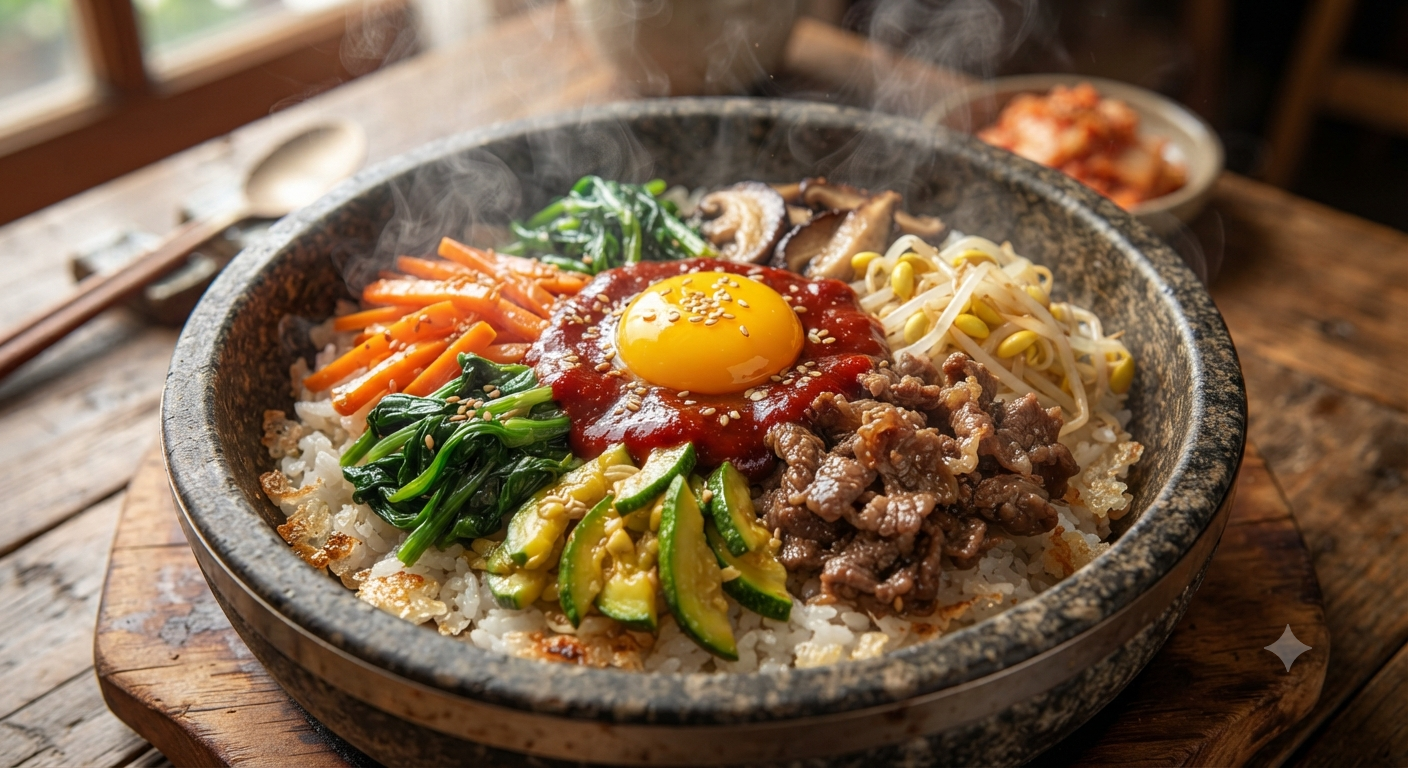
    Few dishes capture the spirit of Korean cooking as beautifully as bibimbap, a vibrant rice bowl layered with seasoned vegetables, savory protein, spicy gochujang, and a sunny egg. Its name literally means “mixed rice,” but bibimbap is far more than a simple bowl: it is a delicious celebration of color, texture, and balance. Whether served in a warm bowl or sizzling in a stone pot, this authentic Korean bibimbap recipe is easy to customize for weeknight dinners, meal prep, or a memorable Korean-inspired feast.

    📜 The History of Bibimbap

    Bibimbap has deep roots in Korean culinary history. While its exact origins are debated, historians commonly connect the dish to the Joseon Dynasty, when leftover side dishes, known as banchan, were mixed with rice to create a practical and nourishing meal. Another tradition links bibimbap with ancestral rites, when families combined ceremonial foods after memorial gatherings rather than wasting them.

    Today, bibimbap is enjoyed throughout South Korea and around the world. The city of Jeonju is particularly famous for its luxurious version, Jeonju bibimbap, often made with premium rice, beef tartare or cooked beef, and a generous selection of vegetable toppings. The iconic dolsot bibimbap is served in a heated stone bowl, creating an irresistible layer of crispy golden rice at the bottom.

    🥢 Easy Homemade Bibimbap Recipe

    This recipe makes two generous bowls. The best part? You can adjust the vegetables and protein according to what is fresh, seasonal, or already in your refrigerator.

    Ingredients

    • 2 cups cooked short-grain rice, warm
    • 200 g thinly sliced beef, tofu, chicken, or mushrooms
    • 1 small zucchini, cut into thin matchsticks
    • 1 carrot, cut into thin matchsticks
    • 2 cups spinach
    • 1 cup bean sprouts
    • 1 cup shiitake mushrooms, sliced
    • 2 eggs
    • 2 tablespoons sesame oil
    • 2 tablespoons soy sauce
    • 2 cloves garlic, minced
    • Sesame seeds and sliced green onion, for garnish

    Quick Gochujang Sauce

    • 2 tablespoons gochujang Korean chili paste
    • 1 tablespoon sesame oil
    • 1 tablespoon rice vinegar
    • 1 teaspoon honey or sugar
    • 1 teaspoon sesame seeds

    👩‍🍳 Step-by-Step Preparation

    1. Cook the rice 🍚: Prepare short-grain rice according to package instructions. Keep it warm and slightly sticky, as this creates the classic bibimbap texture.
    2. Mix the sauce 🌶️: Stir together gochujang, sesame oil, rice vinegar, honey, and sesame seeds in a small bowl. Taste and add a little water if you prefer a thinner sauce.
    3. Season the protein 🥩: Toss the beef, tofu, chicken, or mushrooms with 1 tablespoon soy sauce, half the garlic, and a few drops of sesame oil. Cook in a hot skillet until browned and fully cooked. Set aside.
    4. Prepare the vegetables 🥬: Cook each vegetable separately in a lightly oiled pan. Sauté zucchini and carrots for 2 to 3 minutes until tender-crisp. Cook mushrooms with the remaining soy sauce and garlic. Blanch spinach and bean sprouts briefly, then drain well and season with a little sesame oil and salt.
    5. Fry the eggs 🍳: Fry two eggs until the whites are set but the yolks remain runny. A soft yolk adds a rich, silky finish when everything is mixed together.
    6. Build the bowls 🌈: Divide warm rice between two large bowls. Arrange the vegetables and protein in neat sections around the rice, creating a colorful presentation. Place one fried egg in the center of each bowl.
    7. Finish and mix ✨: Add a spoonful of gochujang sauce, sprinkle with sesame seeds and green onion, then drizzle lightly with sesame oil. Before eating, mix everything thoroughly so every bite gets a little rice, sauce, vegetables, and protein.

    💚 Health Benefits and Smart Bibimbap Tips

    Bibimbap is often considered one of the healthiest Korean meals because it combines fiber-rich vegetables, satisfying carbohydrates, protein, and healthy fats in one bowl. Spinach and carrots provide vitamins A and C, mushrooms offer antioxidants, and sesame oil contributes heart-friendly unsaturated fats. Using brown rice, quinoa, or cauliflower rice can add even more fiber or suit different dietary preferences.

    For a vegetarian bibimbap, use crispy tofu, tempeh, or extra mushrooms instead of meat. For a vegan version, skip the egg and add avocado, edamame, or marinated tofu. If you are watching sodium, use reduced-sodium soy sauce and serve the gochujang sauce on the side. Most importantly, keep the toppings colorful: a wider range of colors usually means a broader mix of nutrients.

    Pro tip: Do not rush the mixing stage. Bibimbap becomes truly special when the spicy sauce, runny egg yolk, fragrant sesame oil, and crisp vegetables are fully combined into one comforting, flavor-packed bowl.


    🍳 Make Every Pajeon Extra Crispy

    A reliable nonstick skillet, quality toasted sesame oil, and a sharp kitchen knife make preparing Seafood Pajeon faster, easier, and more delicious. Explore practical Korean cooking essentials and pantry staples for your next homemade feast.

    👉 Check Out Recommended Products on Amazon

    * Disclaimer: As an Amazon Associate, I earn from qualifying purchases at no additional cost to you.


    TAGS: #Bibimbap, #KoreanFood, #KoreanRecipe, #HealthyDinner, #Gochujang

  • Bulgogi: The Ultimate Korean BBQ Delight with Powerful Health Benefits 🌿🔥

    Bulgogi: The Ultimate Korean BBQ Delight with Powerful Health Benefits 🌿🔥

    Introduction: Discover the Essence of Bulgogi 🥩✨

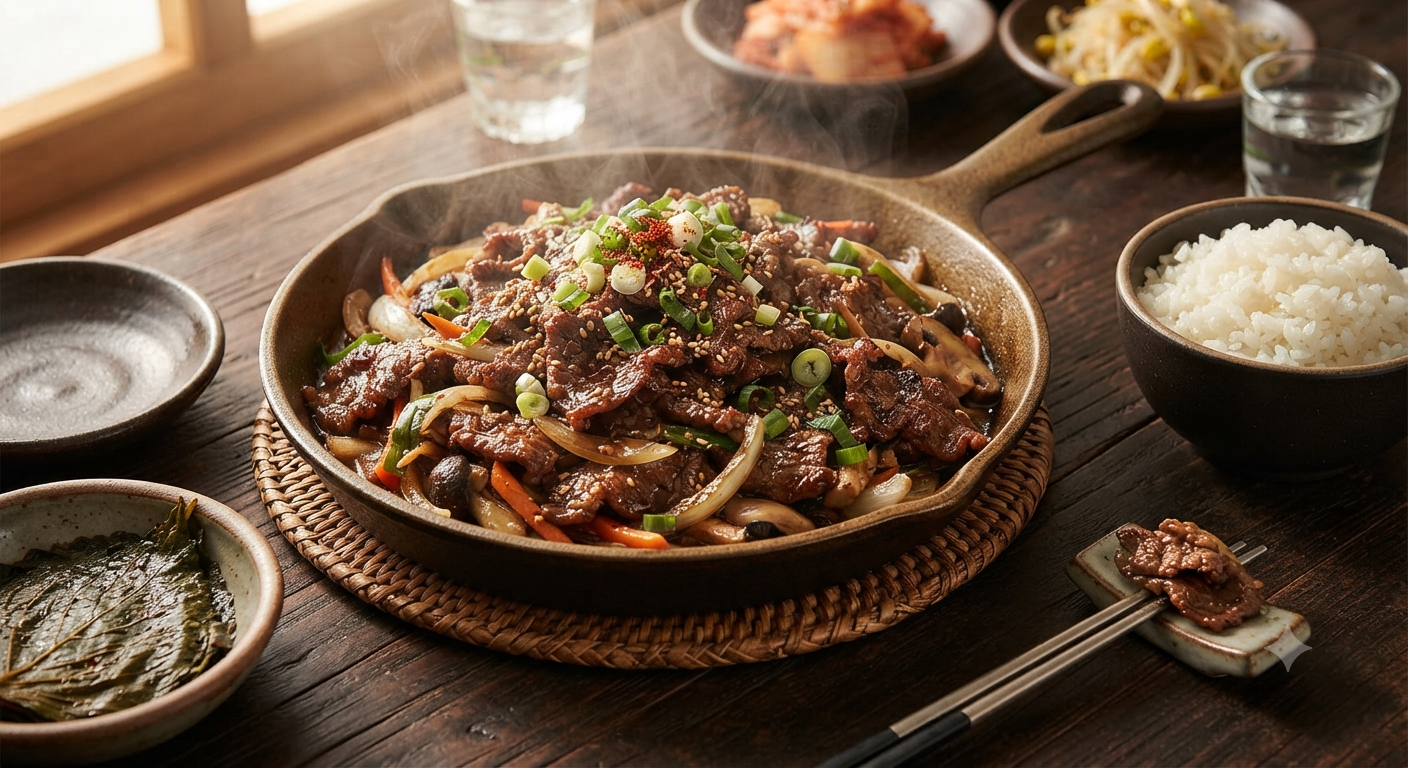
    Bulgogi, a beloved Korean dish, has been a culinary treasure for centuries. Rooted deeply in Korea’s rich heritage, bulgogi literally means “fire meat,” referring to the traditional method of grilling marinated beef over an open flame. This savory, sweet, and smoky dish has transcended borders, captivating modern food enthusiasts and health-conscious individuals alike. Its unique blend of flavors and nutrient-rich ingredients makes it a perfect example of how traditional foods can align with contemporary wellness goals.

    Core Health Benefits of Bulgogi 🌿💪

    Bulgogi is not only a feast for the senses but also a powerhouse of nutrition. The primary ingredient, lean beef, is an excellent source of high-quality protein, essential for muscle repair and growth. It is rich in iron, which supports healthy blood circulation and prevents anemia, and zinc, vital for immune function.

    The marinade typically includes garlic, soy sauce, sesame oil, and green onions. Garlic is renowned for its immune-boosting and anti-inflammatory properties, while sesame oil provides heart-healthy fats and antioxidants. The fermented soy sauce contributes probiotics that improve gut health, enhancing digestion and nutrient absorption.

    Additionally, bulgogi’s balanced combination of protein and healthy fats promotes sustained energy levels and supports metabolic health. The dish’s low carbohydrate content makes it suitable for those following low-carb or ketogenic diets.

    Traditional Culinary Use & Recipe 🔥🍽️

    Preparing authentic bulgogi at home is straightforward and rewarding. Start with thinly sliced beef ribeye or sirloin for tenderness. Marinate the beef in a mixture of soy sauce, brown sugar, minced garlic, grated pear (for natural sweetness and tenderizing), sesame oil, and freshly ground black pepper. Let it rest for at least 30 minutes to absorb the flavors deeply.

    Cook the marinated beef over medium-high heat on a grill pan or skillet until caramelized and slightly charred, which enhances the smoky taste. Serve hot with a side of steamed rice, kimchi, and fresh vegetables for a wholesome meal.

    Ultimate Chef Tip: Adding a splash of soju or Korean rice wine to the marinade can intensify the flavor and tenderness.

    Frequently Asked Questions (FAQ) ❓🌿

    • Is bulgogi healthy for weight management?
      Yes, bulgogi is rich in protein and low in carbohydrates, making it a great option for balanced weight management when consumed in moderation.
    • Can bulgogi be made with other meats?
      Absolutely! While beef is traditional, bulgogi can be made with chicken, pork, or even mushrooms for vegetarian versions, adapting the marinade accordingly.

    Conclusion: Embrace Bulgogi for Flavor and Wellness 🌟

    Bulgogi stands as a shining example of how traditional Korean cuisine beautifully blends taste with health benefits. Its rich cultural roots and nutrient-dense ingredients offer a delightful way to nourish the body and soul. Whether you’re a seasoned foodie or a health enthusiast, bulgogi invites you to savor every bite while embracing a balanced lifestyle.

    Enjoy this iconic Korean dish and experience the harmony of flavor, culture, and nutrition in every mouthful.


    🍳 Make Every Pajeon Extra Crispy

    A reliable nonstick skillet, quality toasted sesame oil, and a sharp kitchen knife make preparing Seafood Pajeon faster, easier, and more delicious. Explore practical Korean cooking essentials and pantry staples for your next homemade feast.

    👉 Check Out Recommended Products on Amazon

    * Disclaimer: As an Amazon Associate, I earn from qualifying purchases at no additional cost to you.

  • Korean Fried Chicken: A Crispy Delight with Surprising Health Benefits and Authentic Recipes 🌿🔥

    Korean Fried Chicken: A Crispy Delight with Surprising Health Benefits and Authentic Recipes 🌿🔥

    Introduction: The Crispy Charm of Korean Fried Chicken 🥢✨

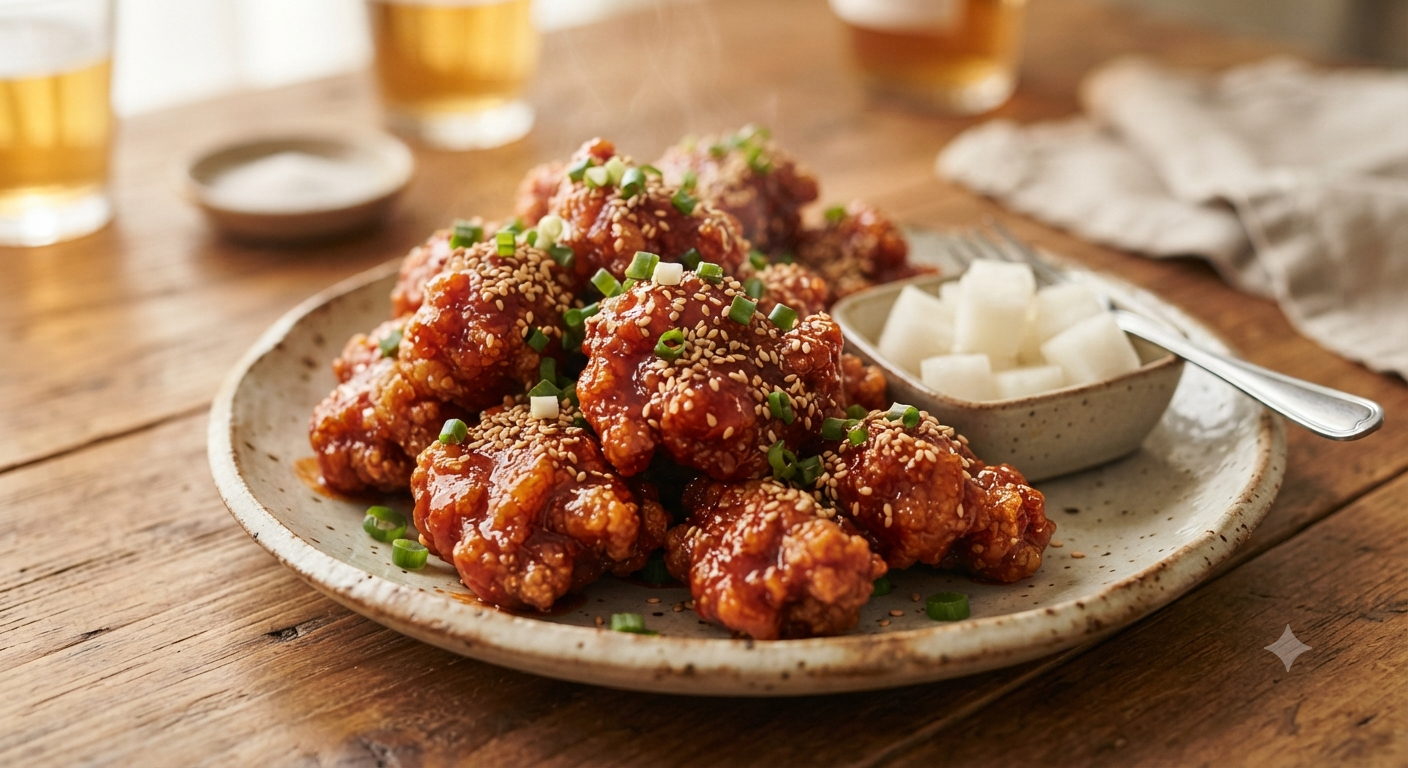
    Korean Fried Chicken, often called “KFC” in Korea, is a beloved culinary treasure that perfectly marries crispy texture with bold, flavorful sauces. Unlike traditional Western fried chicken, Korean Fried Chicken is double-fried to achieve an ultra-crispy exterior while maintaining juicy, tender meat inside. Rooted deeply in Korea’s rich food heritage, this dish has evolved from a popular street food to a global sensation. Modern health enthusiasts are increasingly intrigued by Korean Fried Chicken due to its unique preparation methods and potential nutritional benefits when enjoyed mindfully.

    Core Health Benefits of Korean Fried Chicken 🌿🥣

    While fried foods often get a bad reputation, Korean Fried Chicken offers some distinct nutritional advantages when prepared traditionally. The double frying technique uses less oil absorption, resulting in a lighter, less greasy final product compared to typical fried chicken. Using gluten-free starches like sweet potato starch or rice flour for the batter enhances digestibility and reduces gluten-related inflammation for sensitive individuals.

    The chicken itself is a great source of lean protein, essential for muscle repair and immune function. Additionally, Korean recipes often incorporate garlic, ginger, and fermented sauces like gochujang (fermented chili paste), which are rich in antioxidants and have anti-inflammatory properties. These ingredients contribute to immune system support and may aid in digestion.

    Critical note: Moderation is key, as excessive consumption of fried foods can increase calorie intake and impact heart health. Opting for homemade versions with controlled oil quality and quantity can maximize benefits.

    Traditional Culinary Use & Recipe: Crafting Korean Fried Chicken at Home 🔥🍗

    Making authentic Korean Fried Chicken at home is rewarding and surprisingly straightforward. The key is in the preparation:

    • Ingredients: Chicken wings or drumettes, sweet potato starch or rice flour, salt, pepper, garlic powder, and oil for frying.
    • Double Frying Method: First, lightly fry the chicken at a lower temperature to cook through. Remove and rest. Then fry again at a higher temperature to achieve the signature crunchy crust.
    • Sauce: Prepare a sauce with gochujang, soy sauce, honey, garlic, and a dash of sesame oil to coat the chicken after frying.

    This method ensures a crispy, flavorful bite every time. Serve with pickled radishes and fresh greens to balance the richness.

    Frequently Asked Questions (FAQ) 🤔

    • Q: Is Korean Fried Chicken healthier than regular fried chicken?
      A: Yes, due to the double frying method, which reduces oil absorption, and the use of lighter batters like sweet potato starch, Korean Fried Chicken tends to be less greasy and easier to digest.
    • Q: Can Korean Fried Chicken be part of a balanced diet?
      A: Absolutely. When consumed in moderation and paired with vegetables or fermented sides, it can fit well within a balanced diet, offering protein and beneficial spices.

    Conclusion: A Crispy Tradition Worth Savoring 🌟

    Korean Fried Chicken is more than just a delicious treat; it is a cultural icon that combines culinary artistry with thoughtful preparation. Its unique double-fried technique and incorporation of healthful ingredients make it appealing not only to food lovers but also to health-conscious individuals. By embracing traditional recipes and mindful cooking methods, you can enjoy this crispy delight while reaping its nutritional benefits. So why not bring a bit of Korea’s vibrant food culture to your kitchen and savor every crunchy, flavorful bite?


    🍳 Make Every Pajeon Extra Crispy

    A reliable nonstick skillet, quality toasted sesame oil, and a sharp kitchen knife make preparing Seafood Pajeon faster, easier, and more delicious. Explore practical Korean cooking essentials and pantry staples for your next homemade feast.

    👉 Check Out Recommended Products on Amazon

    * Disclaimer: As an Amazon Associate, I earn from qualifying purchases at no additional cost to you.