
Kimchi Jjim: Slow-Braised Tender Pork Belly Wrapped in Aged Kimchi
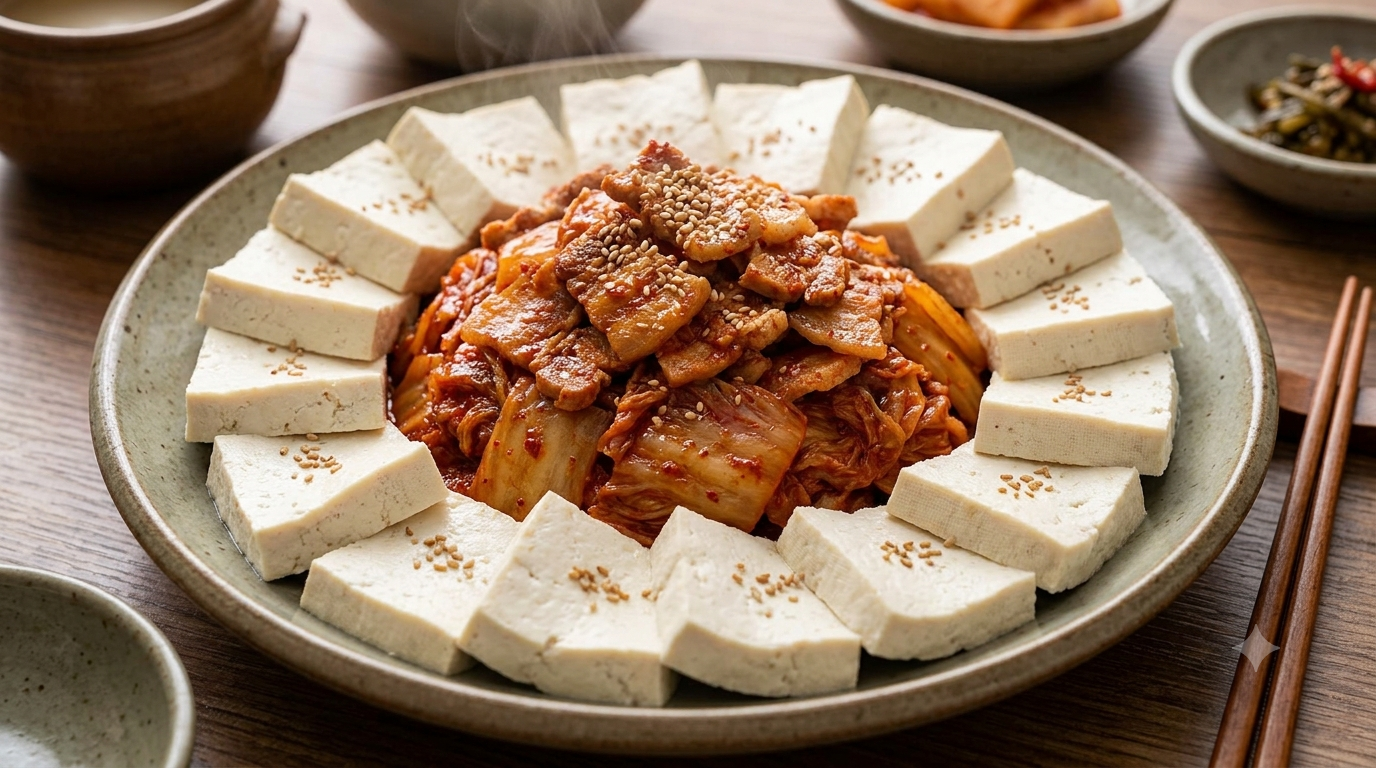
Few Korean comfort foods deliver the deep, soulful flavor of Kimchi Jjim—a slow-braised dish where rich pork belly melts into tangy, fully fermented kimchi. As the pot simmers, the aged kimchi softens into silky ribbons that hug the pork, creating a bold, savory-sour stew that is irresistible with a bowl of steamed rice. 🍚
📜 The History Behind Kimchi Jjim
Kimchi Jjim (김치찜) comes from Korea’s tradition of making the most of pantry staples during cold seasons. Historically, households prepared large quantities of kimchi during kimjang, the communal autumn kimchi-making season. Once kimchi became deeply fermented and sharply sour, it was often cooked into warming dishes rather than served fresh.
Kimchi Jjim is one of the most beloved ways to use older kimchi. The long braise transforms sour cabbage into something mellow, sweet, and intensely savory. Pork belly, with its generous layers of fat, is a classic partner because it balances the kimchi’s acidity while becoming exceptionally tender. Today, this dish remains a popular Korean home-style meal, especially on chilly days. 🥘
🥘 Kimchi Jjim Recipe: Slow-Braised Pork Belly and Aged Kimchi
Serves: 4 | Prep time: 15 minutes | Cook time: 1 hour 45 minutes
Ingredients
- 1 ½ pounds pork belly, cut into large 2-inch pieces
- 1 pound fully fermented aged kimchi, preferably whole-leaf kimchi
- ¾ cup kimchi brine or kimchi juice
- 1 small onion, sliced
- 4 garlic cloves, smashed
- 1 tablespoon gochugaru (Korean red pepper flakes)
- 1 tablespoon gochujang (Korean chili paste)
- 1 tablespoon soy sauce
- 1 teaspoon sugar or honey
- 2 cups water or anchovy-kelp stock
- 2 scallions, cut into long pieces
- Freshly ground black pepper, to taste
- Steamed rice, for serving
Step-by-Step Instructions
- Prepare the kimchi. 🥬 If using whole-leaf kimchi, gently separate the leaves. Keep the cabbage leaves as intact as possible; they will help wrap and cushion the pork during braising.
- Build the flavor base. In a heavy pot or Dutch oven, arrange half of the aged kimchi across the bottom. Add the sliced onion and smashed garlic over the kimchi.
- Add the pork belly. 🥓 Place the pork belly pieces in a single layer over the kimchi. Season with black pepper, then spoon the gochujang, gochugaru, soy sauce, and sugar over the meat.
- Wrap with kimchi leaves. Lay the remaining kimchi leaves over the pork belly, tucking the edges around the meat where possible. This creates the signature kimchi-wrapped pork belly effect and keeps the pork moist.
- Add liquid. Pour in the kimchi brine and water or stock. The liquid should come about halfway up the ingredients, not fully cover them.
- Bring to a gentle simmer. 🔥 Cover the pot and bring it to a boil over medium-high heat. Once bubbling, reduce the heat to low and simmer gently for 75 to 90 minutes.
- Check tenderness. Remove the lid during the last 15 minutes to let the sauce reduce slightly. The pork belly should be fork-tender, while the kimchi should be soft, glossy, and deeply flavored.
- Finish and serve. ✨ Add scallions during the final 5 minutes. Serve the pork belly with the braised kimchi and plenty of hot rice. Spoon the savory broth over everything.
💚 Health Benefits and Practical Tips
Aged kimchi contains fermented ingredients that may support a diverse gut microbiome, while cabbage provides vitamin C and beneficial plant compounds. Pork belly supplies protein and satisfying richness, making this a hearty meal that is best enjoyed in balanced portions.
- Use old kimchi: The more sour and fermented your kimchi is, the better the final braise will taste.
- Choose thick-cut pork belly: Larger pieces stay juicy during the long cooking time and develop a luxurious texture.
- Reduce sodium if needed: Kimchi, kimchi brine, and soy sauce can be salty. Use low-sodium stock and taste before adding extra seasoning.
- Make it ahead: Like many braises, Kimchi Jjim tastes even better the next day after the flavors settle together.
❓ Kimchi Jjim FAQ
What is the best cut of pork for Kimchi Jjim?
Pork belly is the traditional and most flavorful choice because its fat slowly renders into the kimchi. Pork shoulder, pork butt, or country-style ribs are excellent alternatives if you prefer a meatier, less fatty result.
Can I make Kimchi Jjim with fresh kimchi?
You can, but the flavor will be milder and less complex. For authentic Kimchi Jjim, use kimchi that has fermented for at least several weeks and has a noticeably sour aroma. Add a little extra kimchi brine or rice vinegar if your kimchi is not sour enough.
Can I make this Korean pork belly dish ahead of time?
Yes. Cool the braised pork and kimchi completely, refrigerate in an airtight container for up to 3 days, and reheat gently on the stovetop. Add a splash of water if the sauce has thickened too much.
How do I make vegetarian Kimchi Jjim?
Use vegan kimchi and replace pork belly with thick slices of firm tofu, king oyster mushrooms, or daikon radish. Use vegetable stock and simmer until the kimchi is tender and the broth is richly reduced.
What should I serve with Kimchi Jjim?
Steamed short-grain rice is essential. For a complete Korean-style table, add cucumber salad, roasted seaweed, steamed eggs, or simple blanched vegetables with sesame oil.
Recommended Ingredients 🥬
Bring authentic Korean depth to your Kimchi Jjim with richly fermented kimchi, gochugaru, and gochujang selected for bold, slow-braised flavor.
Recommended Kitchen Tools 🍲
A sturdy Dutch oven or heavy-lidded pot delivers the gentle, even heat needed for succulent pork belly and tender, flavorful kimchi.
👉 Check Out Essential Cooking Tools on Amazon
* Disclaimer: As an Amazon Associate, I earn from qualifying purchases at no additional cost to you.
TAGS: #KimchiJjim, #KoreanFood, #PorkBelly, #AgedKimchi, #ComfortFood