Dakgangjeong: Crispy Sweet and Spicy Korean Popcorn Chicken 🍗
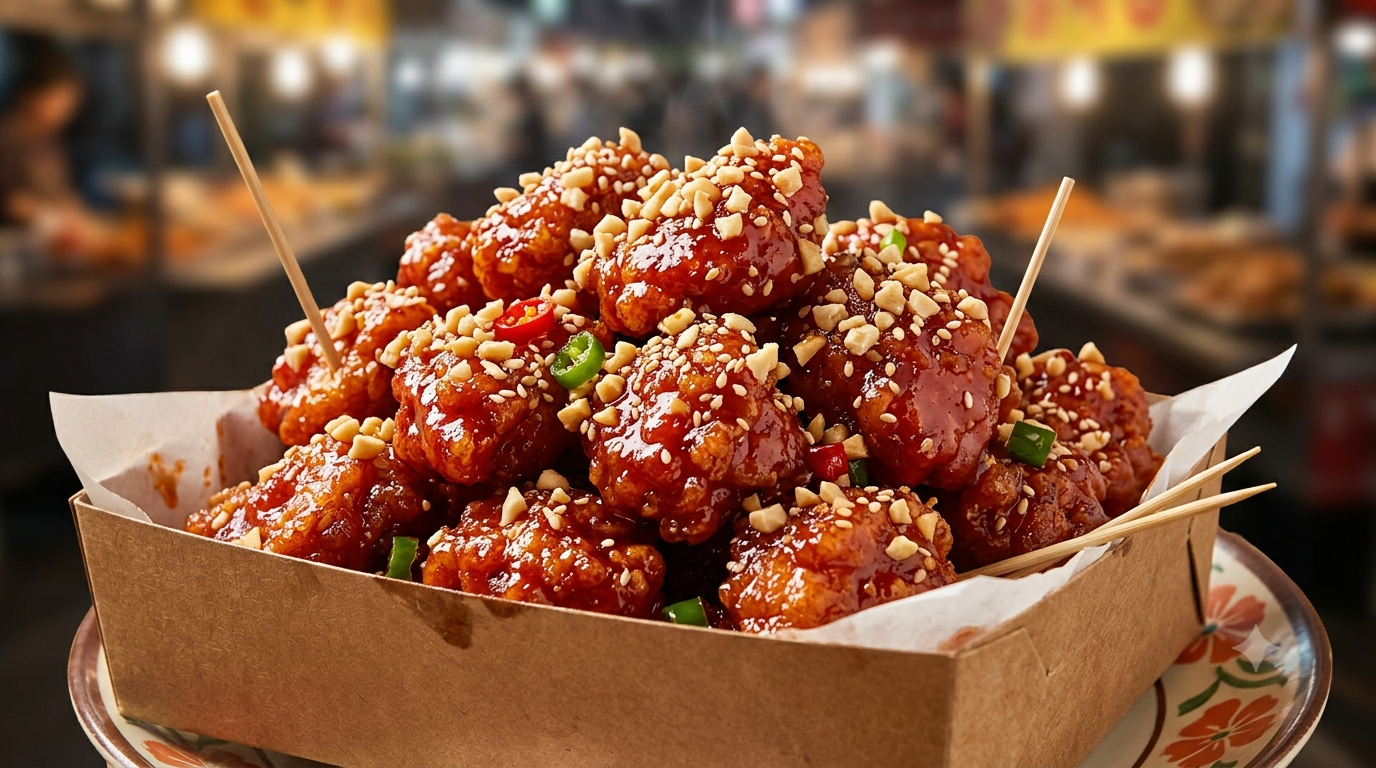
Dakgangjeong is the Korean fried chicken dish that delivers everything in one irresistible bite: a shatteringly crisp coating, tender juicy chicken, and a glossy glaze that balances sweet, savory, garlicky, and gently spicy flavors. Often compared to Korean popcorn chicken, this crowd-pleasing dish is perfect for game nights, casual dinners, or a vibrant addition to a Korean-inspired spread.
📜 The History Behind Dakgangjeong
“Dak” means chicken in Korean, while “gangjeong” refers to a traditional Korean confection or snack often coated in syrup. Dakgangjeong takes inspiration from this sticky, glossy preparation style, pairing deep-fried chicken with a sweet sauce that clings to every crunchy piece.
Although fried chicken became increasingly popular in Korea during the twentieth century, Korean cooks made it distinctly their own with double-frying techniques and bold sauces featuring gochujang, soy sauce, garlic, and Korean rice syrup. Today, dakgangjeong is a beloved market snack and late-night comfort food across South Korea, often served in paper cups with toothpicks for easy sharing.
🛒 Ingredients for Sweet and Spicy Korean Popcorn Chicken
- 1½ pounds boneless, skinless chicken thighs, cut into bite-size pieces
- ½ teaspoon salt
- ¼ teaspoon black pepper
- 1 tablespoon grated fresh ginger
- ¾ cup potato starch or cornstarch
- Neutral frying oil, such as canola, avocado, or vegetable oil
- 2 tablespoons gochujang (Korean red chili paste)
- 2 tablespoons soy sauce
- 3 tablespoons Korean rice syrup or honey
- 2 tablespoons ketchup
- 3 garlic cloves, finely minced
- 1 tablespoon rice vinegar
- 1 tablespoon toasted sesame seeds
- 2 sliced green onions, for garnish
👩🍳 How to Make Dakgangjeong Step by Step
-
Season the chicken. Place the chicken pieces in a bowl and season with salt, black pepper, and grated ginger. Toss well, then let the chicken rest for 10 to 15 minutes. This quick marinade adds flavor without making the coating wet.
-
Coat with starch. 🥣 Add potato starch to the chicken in batches, tossing until every piece is evenly coated. Shake off excess starch. Potato starch creates the lightest, crispiest Korean-style crust, but cornstarch works well too.
-
Heat the oil. Pour 2 to 3 inches of oil into a deep, heavy pot. Heat to 325°F (165°C). Frying at a moderate temperature first cooks the chicken through without over-browning the crust.
-
First fry the chicken. 🍗 Fry the coated chicken in small batches for 4 to 5 minutes, until pale golden and cooked through. Do not crowd the pot; overcrowding lowers the oil temperature and creates soggy chicken. Transfer to a wire rack.
-
Fry a second time for extra crunch. ✨ Raise the oil temperature to 375°F (190°C). Fry the chicken again for 2 to 3 minutes until deeply golden, crisp, and audibly crackly. Drain well on a rack.
-
Make the glaze. In a large skillet over medium-low heat, combine gochujang, soy sauce, rice syrup, ketchup, garlic, and rice vinegar. Stir for 2 to 3 minutes until the sauce becomes smooth, bubbling, and slightly thickened.
-
Toss and serve immediately. 🌶️ Add the double-fried chicken to the skillet and toss quickly until coated in the shiny sauce. Sprinkle with sesame seeds and green onions. Serve hot with pickled radish, steamed rice, or crisp lettuce cups.
🌿 Health Benefits and Smart Cooking Tips
Dakgangjeong is an indulgent dish, but it also offers valuable protein from chicken and antioxidant-rich compounds from garlic, ginger, and gochujang. Gochujang contains fermented ingredients that provide deep umami flavor, meaning you can create a satisfying sauce without relying on excessive salt.
- Choose chicken thighs for the juiciest result; they stay tender even after double frying.
- For a lighter version, air-fry or bake the starch-coated chicken, then toss it with the warm glaze.
- Adjust the heat by using 1 tablespoon of gochujang for mild flavor or adding Korean chili flakes for more fire.
- Keep the sauce and fried chicken separate until serving to preserve the signature crunch.
❓ Dakgangjeong FAQ
What is the best cut of chicken for dakgangjeong?
Boneless, skinless chicken thighs are the best choice because they remain moist and flavorful during frying. Chicken breast can be used, but it cooks faster and may become dry if overfried.
Can I make dakgangjeong ahead of time?
You can prepare the sauce up to three days ahead and store it in the refrigerator. For the best texture, fry and glaze the chicken just before serving. Reheating glazed chicken may soften the coating.
Can I substitute gochujang with another ingredient?
Gochujang has a uniquely fermented, sweet-spicy flavor, so it is difficult to replace exactly. In a pinch, mix sriracha with a little miso paste and honey, though the result will taste less traditionally Korean.
Why is my Korean popcorn chicken not crispy?
The usual causes are wet chicken, too little starch, overcrowding the fryer, or skipping the second fry. Pat chicken dry before seasoning, fry in batches, and always double-fry for the crispiest finish.
How spicy is dakgangjeong?
Dakgangjeong is usually mildly to moderately spicy, with sweetness balancing the gochujang. It is easy to customize: reduce gochujang for a family-friendly batch or add chili flakes for extra heat.
🥢 Recommended Ingredients
Bring authentic Korean flavor to your kitchen with fresh gochujang, Korean rice syrup, toasted sesame seeds, and pantry staples selected for a deeply flavorful dakgangjeong glaze.
🍳 Recommended Kitchen Tools
Make double-frying safer and easier with a deep pot, reliable thermometer, wire rack, and spider skimmer—essential tools for achieving crisp, restaurant-worthy Korean fried chicken.
👉 Check Out Essential Cooking Tools on Amazon
* Disclaimer: As an Amazon Associate, I earn from qualifying purchases at no additional cost to you.
TAGS: #Dakgangjeong, #KoreanFriedChicken, #KoreanFood, #Gochujang, #PopcornChicken
Leave a Reply