
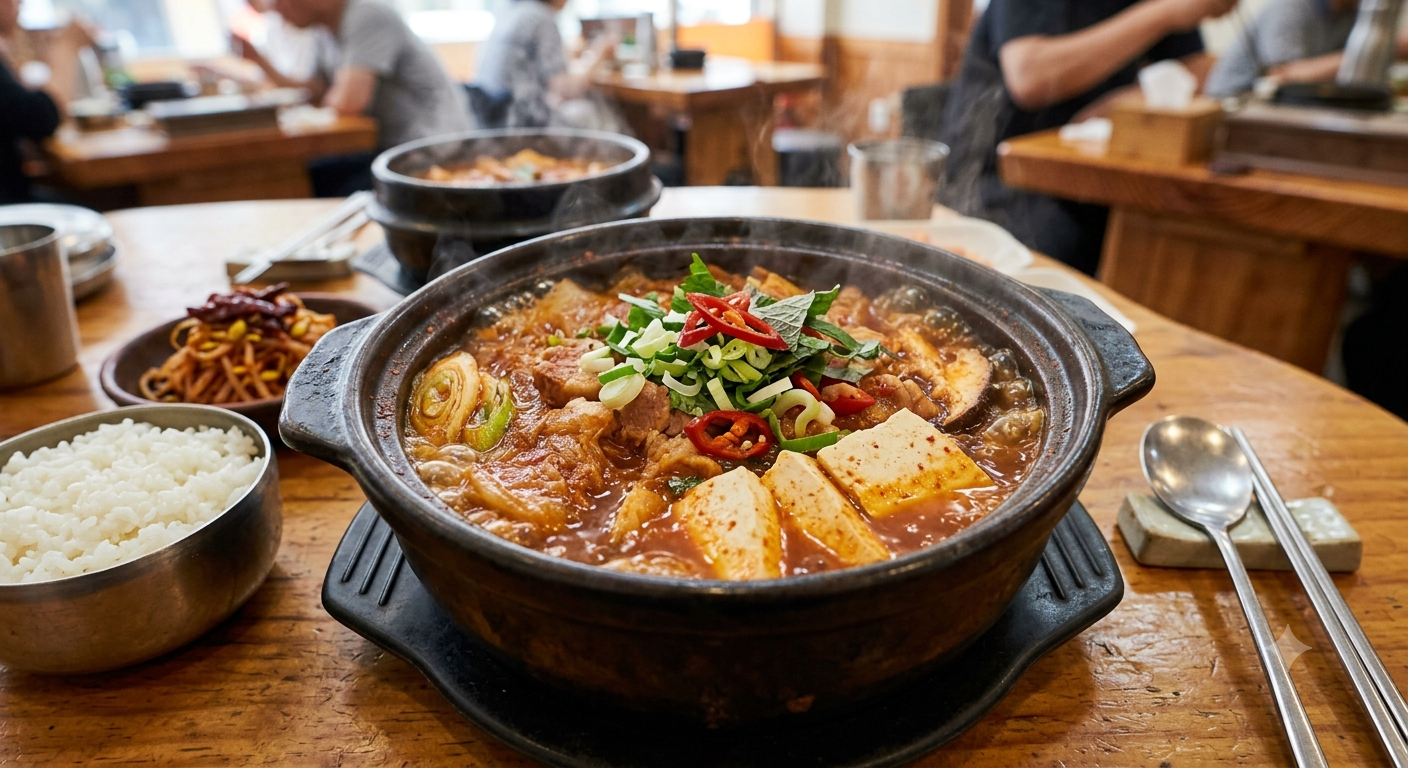
Few dishes capture the soul of Korean home cooking like Kimchi Stew, known in Korea as kimchi jjigae. Rich, spicy, savory, and wonderfully tangy, this bubbling red stew turns well-fermented kimchi into a deeply satisfying meal. It is the kind of dish that perfumes the kitchen, warms cold evenings, and tastes even better with a bowl of steaming rice. Whether you are exploring Korean cuisine for the first time or craving an authentic comfort food classic, kimchi stew is a delicious place to begin.
📜 The History and Tradition of Kimchi Jjigae
Kimchi has been central to Korean food culture for centuries. Long before refrigeration, Korean families preserved seasonal vegetables—most famously napa cabbage—through salting and fermentation. This practical preservation method created kimchi’s unmistakable sour, spicy, umami-rich character.
Kimchi jjigae became especially popular in modern Korea as an economical and flavorful way to use older, more fermented kimchi. Fresh kimchi can be crisp and bright, but aged kimchi develops a stronger acidity that makes it ideal for simmering in soups and stews. Traditionally cooked in an earthenware pot called a ttukbaegi, kimchi stew is a beloved everyday dish served in homes, neighborhood restaurants, and Korean barbecue spots across South Korea.
While pork is a classic addition, regional and household recipes vary widely. Some cooks use canned tuna, beef, seafood, tofu, or mushrooms. The essential element remains the same: well-fermented kimchi simmered until intensely flavorful.
🍲 Easy Authentic Kimchi Stew Recipe
This recipe serves 2 to 3 people and creates a balanced kimchi jjigae with pork belly, tofu, and a comforting spicy broth.
Ingredients
- 2 cups well-fermented napa cabbage kimchi, chopped
- 150 g pork belly or thinly sliced pork shoulder
- 1 tablespoon sesame oil
- 1 tablespoon gochugaru (Korean red pepper flakes)
- 1 teaspoon gochujang (Korean chili paste), optional
- 2 cups anchovy-kelp stock, chicken stock, or water
- 1/2 small onion, sliced
- 2 cloves garlic, minced
- 1 tablespoon kimchi brine
- 200 g firm tofu, sliced
- 1 green onion, cut into pieces
- 1 teaspoon sugar, optional
👩🍳 Step-by-Step Kimchi Jjigae Method
- 🥓 Sauté the pork. Heat the sesame oil in a medium pot over medium heat. Add the pork belly and cook for 3 to 4 minutes, until lightly browned and some fat has rendered. This creates a rich base for the stew.
- 🌶️ Cook the kimchi. Add the chopped kimchi, garlic, onion, gochugaru, and optional gochujang. Stir-fry for about 5 minutes. Let the kimchi soften and caramelize slightly; this step builds the stew’s signature deep flavor.
- 💧 Add stock and simmer. Pour in the stock or water, then add the kimchi brine. If your kimchi is very sharp, stir in the sugar to balance the acidity. Bring everything to a gentle boil.
- ⏲️ Develop the broth. Reduce the heat to medium-low and simmer uncovered for 15 to 20 minutes. The broth should become red, fragrant, and savory. Taste before adding salt, as kimchi is naturally salty.
- 🥢 Add tofu and green onion. Gently place the tofu slices on top of the stew and add the green onion. Simmer for another 3 to 5 minutes, just until the tofu is heated through.
- 🍚 Serve piping hot. Bring the pot straight to the table if possible. Serve your kimchi stew with short-grain Korean rice, roasted seaweed, and simple side dishes such as cucumber salad or bean sprouts.
🌿 Health Benefits and Smart Cooking Tips
Kimchi stew is more than a bold comfort meal. Fermented kimchi may provide beneficial probiotics, which can support a diverse gut microbiome. Napa cabbage also contains vitamins A, C, and K, while tofu adds plant-based protein, calcium, and iron. Choosing lean pork, tuna, or mushrooms can make this Korean stew lighter without sacrificing flavor.
Best tip: use kimchi that has fermented for at least two weeks. Older kimchi should smell pleasantly sour rather than spoiled, and it will deliver the authentic tang needed for a great kimchi jjigae. Save the liquid in the kimchi jar, too—it is a powerful seasoning for the broth.
For a vegetarian version, replace pork with shiitake mushrooms and use vegetable or kelp stock. If you prefer less heat, reduce the gochugaru and skip the gochujang. For an extra restaurant-style finish, crack an egg into the simmering stew during the final few minutes. One spoonful of kimchi stew is spicy, tangy, savory Korean comfort at its best.
🍳 Make Every Pajeon Extra Crispy
A reliable nonstick skillet, quality toasted sesame oil, and a sharp kitchen knife make preparing Seafood Pajeon faster, easier, and more delicious. Explore practical Korean cooking essentials and pantry staples for your next homemade feast.
👉 Check Out Recommended Products on Amazon
* Disclaimer: As an Amazon Associate, I earn from qualifying purchases at no additional cost to you.
TAGS: #KimchiStew, #KimchiJjigae, #KoreanFood, #KoreanRecipe, #FermentedFoods
Leave a Reply