Sundae: Chewy Korean Street Food Blood Sausage Packed with Glass Noodles
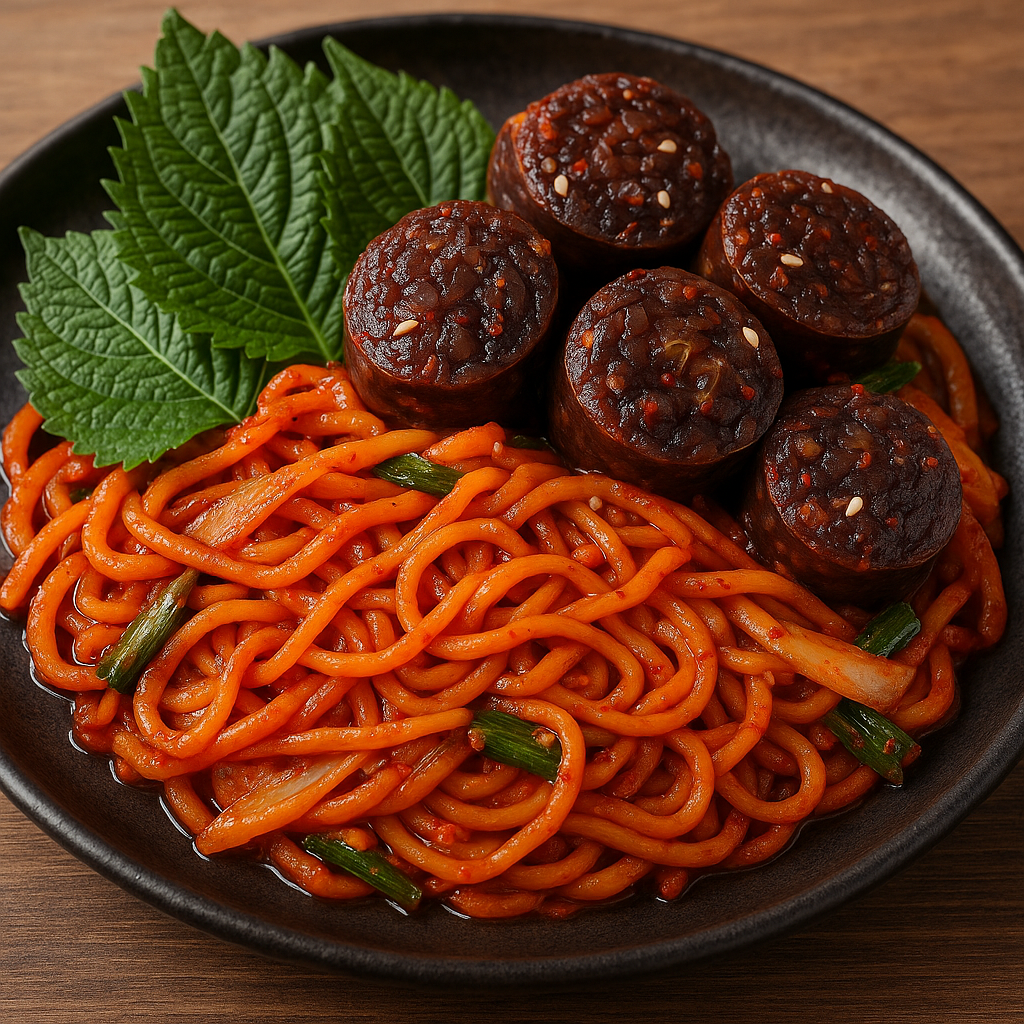
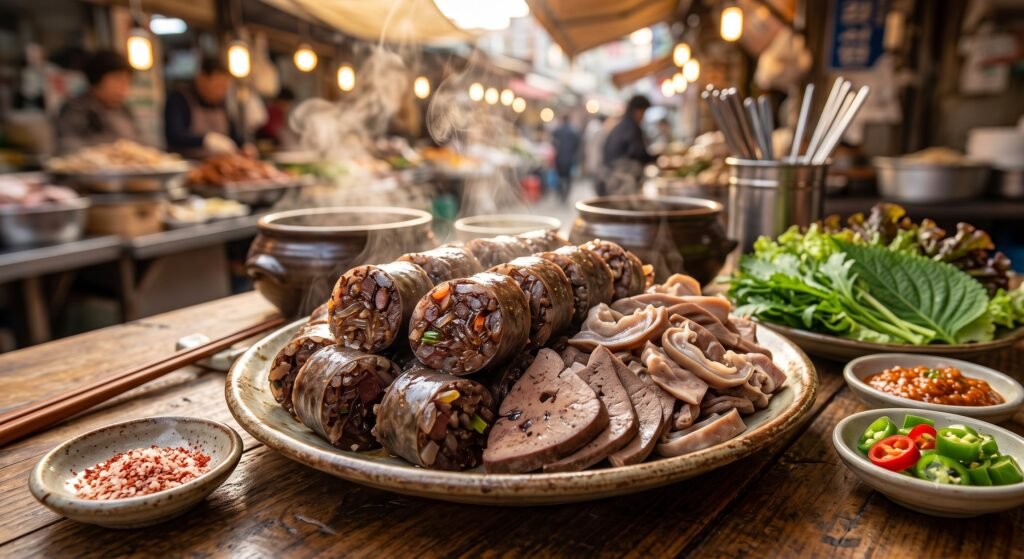
Steaming, savory, and wonderfully springy, Korean sundae is one of the most memorable bites you can find at a bustling market in Seoul, Busan, or Incheon. Unlike the sweet ice cream its Romanized name may suggest, sundae is a traditional Korean blood sausage filled with tender pork, vegetables, and chewy glass noodles. Served in thick slices with salt, shrimp sauce, or spicy tteokbokki sauce, it is a comforting street-food classic with deep regional roots. 🇰🇷
📜 History of Korean Sundae
Korean sundae has a history stretching back to the Goryeo Dynasty, when stuffing animal intestines was a practical, nourishing way to use every part of a slaughtered animal. Over centuries, it developed into a beloved everyday food, especially in local markets and roadside food stalls.
Traditional versions often use pork blood, pork fat, rice, barley, vegetables, and dangmyeon—Korean sweet potato glass noodles. Regional varieties vary widely: some contain glutinous rice, while others feature seafood, soybean paste, or local herbs. Today, sundae remains a staple of pojangmacha street-food culture and is commonly paired with spicy rice cakes, fish cakes, and a cold Korean beer. 🍺
if you want to have video recipe , click the link.
🍲 Homemade Korean Sundae Recipe
This approachable version makes savory, chewy Korean blood sausage with glass noodles and pork. For food safety and convenience, buy cleaned sausage casings and fresh pork blood from a trusted butcher or Korean market.
Ingredients
- 1 pound cleaned pork intestines or natural sausage casings
- 1 cup pork blood, chilled
- 4 ounces pork shoulder or pork belly, finely minced
- 3 ounces Korean sweet potato glass noodles (dangmyeon)
- 1/2 cup cooked short-grain rice
- 1/2 cup finely chopped napa cabbage or kimchi
- 1/3 cup chopped scallions
- 2 tablespoons soybean paste or doenjang
- 1 tablespoon minced garlic
- 1 teaspoon toasted sesame oil
- 1/2 teaspoon ground black pepper
- 1 teaspoon salt, plus more for serving
- Shrimp sauce, perilla salt, or gochujang sauce, for dipping
Step-by-Step Instructions
- Prepare the casings 🧼: Rinse the cleaned pork intestines under cold water. Soak them in lightly salted water for 15 minutes, then rinse again. Keep one end tied securely with kitchen twine.
- Soak the glass noodles 🍜: Place the dangmyeon in warm water for 20 minutes until softened. Drain well and cut the noodles into shorter, bite-size lengths with kitchen scissors.
- Make the sundae filling 🥣: In a large bowl, combine pork blood, minced pork, soaked noodles, cooked rice, cabbage or kimchi, scallions, doenjang, garlic, sesame oil, pepper, and salt. Stir until the mixture is evenly combined.
- Fill the casings carefully: Use a sausage funnel or piping bag with a wide opening to fill each casing. Do not pack the mixture too tightly; the rice and noodles expand slightly during cooking. Tie the open end with kitchen twine.
- Poach gently ♨️: Bring a large pot of water to a gentle simmer—not a rolling boil. Add the stuffed sundae and simmer for 35 to 45 minutes. Prick the casing once or twice with a needle to prevent bursting.
- Check for doneness: The sausage should feel firm and the filling should be fully cooked. For safety, the pork filling should reach an internal temperature of 160°F (71°C).
- Rest, slice, and serve ✨: Let the sundae rest for 10 minutes before slicing into thick rounds. Serve warm with flaky salt, fermented shrimp sauce, or spicy gochujang dipping sauce.
💚 Health Benefits and Practical Tips
Korean sundae is a rich, satisfying dish that can offer iron, protein, vitamin B12, and zinc, particularly because of the pork blood and meat. Glass noodles provide a naturally gluten-free carbohydrate source, although always check packaged ingredients if you have celiac disease or a severe allergy.
- Choose trusted suppliers: Purchase pork blood and casings from reputable Korean grocers, butchers, or specialty meat suppliers.
- Keep it cold: Work quickly with chilled pork blood and raw meat, and refrigerate leftovers within two hours.
- Do not overfill: Loose filling prevents the casing from splitting while poaching.
- Serve market-style: Pair sliced sundae with tteokbokki, eomuk broth, pickled radish, and a small bowl of salt mixed with pepper.
❓ Korean Sundae FAQ
What does Korean sundae taste like?
Korean sundae has a savory, earthy flavor with a pleasantly chewy casing. The inside is soft and tender, with a distinctive springy texture from sweet potato glass noodles and rice.
What are the best casings for homemade Korean blood sausage?
Natural pork intestines are the most traditional choice because they provide the authentic chewy texture. If they are unavailable, large sausage casings from a butcher may work, though the final result may be less traditional.
Can I make Korean sundae without pork blood?
Yes, but it will not have the classic flavor, color, or richness of traditional sundae. You can make a noodle-and-pork stuffed sausage using extra minced pork, cooked rice, and seasonings, but label it as a sundae-inspired sausage rather than authentic blood sausage.
Can Korean sundae be made ahead?
Yes. Poach the sausage, cool it completely, and refrigerate it in an airtight container for up to three days. Reheat by steaming for 8 to 10 minutes or pan-frying sliced pieces until hot.
Can I freeze cooked sundae?
Absolutely. Slice cooled sundae, freeze portions in airtight bags, and use within two months for the best texture. Steam frozen slices gently or thaw overnight in the refrigerator before reheating.
🥬 Recommended Ingredients
Bring authentic Korean market flavor to your kitchen with quality dangmyeon, doenjang, shrimp sauce, and other essential sundae ingredients.
🍳 Recommended Kitchen Tools
A reliable steamer, large stockpot, sausage funnel, and kitchen twine make homemade Korean sundae safer, easier, and more enjoyable to prepare.
👉 Check Out Essential Cooking Tools on Amazon
* Disclaimer: As an Amazon Associate, I earn from qualifying purchases at no additional cost to you.
TAGS: #KoreanFood, #Sundae, #KoreanStreetFood, #BloodSausage, #Dangmyeon